

















Week in Review: The return of the ‘Dirty Dozen’
EWG released its pseudo-science report this week, and the produce industry-supported Alliance for Food and Farming gives its annual retort.

To sports fans, “March Madness” means the annual NCAA basketball tournament and filling out brackets.
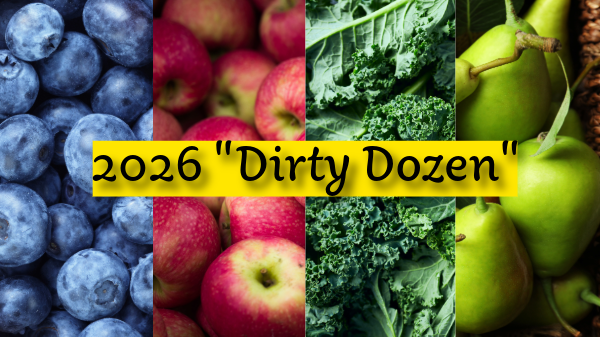
As we’ve become accustomed to in the produce industry, “March Madness” also means the annual return of the irritating “Dirty Dozen” from the Environmental Working Group.
EWG released its pseudo-science report this week, and the produce industry-supported Alliance for Food and Farming released its annual retort.
The AFF says the Dirty Dozen “once again villainizes safe, healthy, and affordable fruits and vegetables by misrepresenting USDA pesticide data.”
AFF helpfully links FDA data, peer-reviewed research, a pesticide residue calculator, FDA advice on washing fruits and vegetables, and CDC data showing how low produce consumption is.
We always monitor consumer media coverage of the Dirty Dozen, and unfortunately, there are a fair number of articles, many of which use the EWG’s fear-mongering.
A typical example is CNN, headlined “2026 ‘Dirty Dozen’ produce: Nearly 100% tested positive for pesticides, including ‘forever chemicals.’”
The article includes frightening language on how pesticides have been linked to premature birth, birth defects, heart disease, cancer, and more.
It warns that “children are especially susceptible to contaminants such as pesticides, even while in the womb, according to the American Academy of Pediatrics. Pesticide exposure during pregnancy may lead to an increased risk of birth defects, low birth weight and fetal death, according to the AAP. Exposure in childhood has been linked to attention and learning problems, as well as cancer.”
CNN does quote AFF and CropLife America criticizing the Dirty Dozen. But it’s the kind of sensational, emotional click-bait reporting that gives consumer news a bad reputation.
A more balanced story is from Health, headlined, “Spinach, apples, and more land on this year’s dirty dozen list—should you worry?”
This story quotes several dietitians and scientists who say the Dirty Dozen shouldn’t be a reason for consumers to avoid eating fruits and vegetables, and in fact, most consumers should eat way more.
“The Dirty Dozen can unintentionally label produce as good or bad, fueling unnecessary fear,” said Amy Brownstein, MS, RDN in the Health article.
Thankfully, the industry hasn’t seen any noticeable drop in produce consumption the past few years because of the list. But the list still hits people’s news feeds, and produce companies and retailers should rely on AFF’s resources to answer any questions that come their way.
Registered dietitians are also an excellent resource in combating the harm done to consumers from the list.
They are the experts to trust when it comes to the importance of consuming fresh fruits and vegetables – both conventional and organic.
News you need.
Join Blue Book today!
Get access to all the news and analysis you need to make the right decision --- delivered to your inbox.





Subscribe to our newsletter
© 2026 Blue Book Services. All Rights Reserved

