
















Week in Review: a MAHA setback
Making America Healthy Again was never going to be an easy task as the movement faces a setback from a court ruling. Here's what's next.
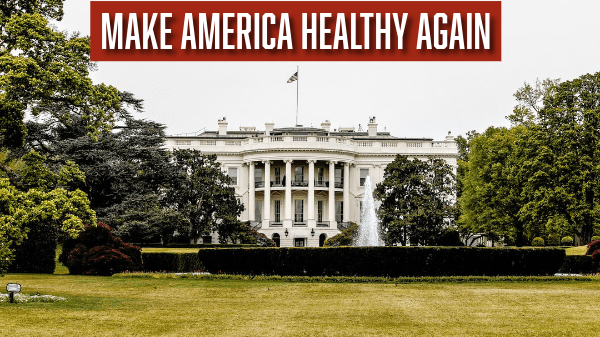

Making America Healthy Again was never going to be an easy task.
A U.S. District Court judge ruled this week that the federal government may not block SNAP users from buying what it calls “junk food.” Judge blocks junk food SNAP restrictions – Blue Book
USDA has granted 23 states permission to restrict certain candy and soda purchases from SNAP eligibility.
It remains unclear how the Trump administration will fight the ruling, but both HHS Secretary Robert F. Kennedy Jr. and Agriculture Secretary Brooke Rollins expressed disappointment and vowed to keep fighting for healthier food in SNAP.
The ruling doesn’t affect produce purchases directly, but there has been the hope that SNAP users would use their benefits to buy more fruits and vegetables if they couldn’t spend them on sugary, less healthy foods.
The produce industry used to steer clear of branding other food as “bad,” but the reality is that many foods are bad compared to fruits and vegetables, so we’ve become more forceful in making this argument, which is a good thing.
But the MAHA vs. junk food battle isn’t just with a judge’s ruling.
It’s no secret that the huge CPG food companies oppose the restrictions, and the retail grocery community generally does, although it isn’t as vocal about it.
Take for example the National Grocers Association.
Its policy position is that independent grocers are a critical partner with SNAP. It supports strengthening the program and expanding access and incentives to healthy food such as fresh produce. Food & Nutrition – National Grocers Association
But it opposes the state SNAP restrictions, saying they take away consumer freedom and add unnecessary regulatory burdens on grocers. Those are reasonable positions to me.
Retailers also get billions in sales from SNAP users, and they could see reduced purchases with the state restrictions.
A Numerator study estimated the current state restrictions could reduce food and beverage sales by $830 million this year. MAHA SNAP restrictions on junk food could change spending
The study said Walmart accounts for about one-quarter of all SNAP spending, followed by Kroger (8 percent), Costco (6 percent), and Amazon (5 percent).
Of course, those reductions would be in what’s restricted, which is candy, soda, and other junk. It’s reasonable to think SNAP users would spend their benefits in other parts of the store.
As we can see, retailers are in a tough spot when it comes to state SNAP restrictions. They don’t want to appear to oppose a MAHA healthier eating push, but they also don’t want to see lost sales.
If Americans followed the dietary guidelines, everyone would be better off, but we know they haven’t in the past.
After the court ruling, the next step is up to the administration and the MAHA movement.
One of the points in the judge’s ruling was that the government didn’t follow its own regulations on defining foods.
It should help MAHA when HHS officially defines what “ultraprocessed foods” are, and then it can better set its sights on encouraging or forcing consumers to limit them in their diets.
Kennedy said at the Washington Conference earlier this month that that definition should come in the next few months, along with a food labeling system.
The produce industry will be waiting eagerly, as it knows it will score well in such a system.
News you need.
Join Blue Book today!
Get access to all the news and analysis you need to make the right decision --- delivered to your inbox.





Subscribe to our newsletter
© 2026 Blue Book Services. All Rights Reserved

