


















Indoor farming operations face bankruptcies, layoffs, closures
Not too long ago, the produce industry watched as billions of dollars went into the indoor farming boom. While I wouldn’t go so far as to call it...
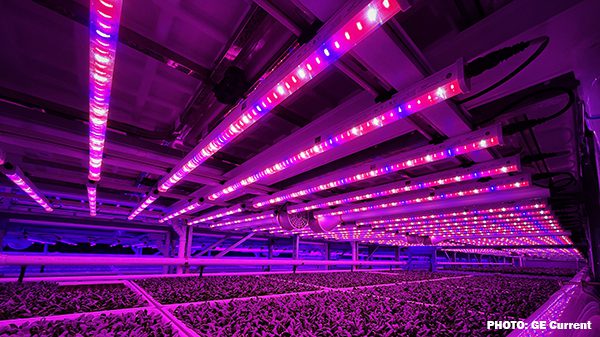
Not too long ago, the produce industry watched as billions of dollars went into the indoor farming boom. While I wouldn’t go so far as to call it a bust, we’re seeing some growing pains.
Mainstream media is awash with tech layoffs, and indoor farming — much of which is funded by private equity and venture capital — is showing signs of weakness.
Just in the last two months, we’ve seen a major bankruptcy, two publicly-traded companies vote for reverse stock splits to keep from being delisted, farm closures, sales, loans, and companies going completely out of business.
Here are just a few of the headlines:
- 80 Acres Farms makes layoffs
- Lakeside Produce files bankruptcy, owes $188MM
- Edible Garden approves reverse stock split
- Kalera halts Orlando, Atlanta production to focus on profitability at other facilities
- AppHarvest opens 60-acre Kentucky farm, completes $127MM sale-leaseback with Mastronardi Berea LLC
- AppHarvest opens salad farm backed by $30 million Mastonardi Produce loan
- Faced with Nasdaq delisting, Kalera shareholders approve reverse stock split
- Iron Ox lays off 50, amounting to nearly half its staff
- Plenty confirms closure of South San Francisco facility
- Vertical farming robotics startup Fifth Season shuts down
Is indoor farming at risk? I don’t think so. The industry has been growing steadily for decades, particularly for operations growing staples like cucumbers, bell peppers, and tomatoes. The market is well-established for those items.
The recent challenges are a prime example of the “bleeding edge” side of technology and innovation. Billions of dollars have been invested, and now those investors are looking for returns. Combine that with high start-up costs, variability and fickleness of farming — growing indoors is still farming, after all — market conditions, and, the economy, and we’re in for a wild ride in 2023.
Image sources are either licensed or customer-provided.

News you need.
Join Blue Book today!
Get access to all the news and analysis you need to make the right decision --- delivered to your inbox.






Subscribe to our newsletter
© 2026 Blue Book Services. All Rights Reserved

