


















Timing Is Everything: Increasing consumption among younger generations
Why aren't more younger Americans making fruits and vegetables a bigger part of their daily diet and lifestyle?

Ground Picture/Shutterstock
In this article

Fruits and vegetables are a vital part of a healthy diet, so why don’t most Americans eat more? Some age groups do better than others but increasing consumption among younger generations is key. The widely publicized Make America Healthy Again movement presents an opportunity.
“We’ve talked about eating healthier before, but this is raising the national conversation to new levels,” says Tony Freytag, executive vice president at Crunch Pak, LLC BB #:171819 in Cashmere, WA. “If we fill the void for fresh fruits and vegetables now, we can change the eating habits of folks across the board.”
Produce Can Do the Trick
The International Fresh Produce Association (IFPA) BB #:378962 is working with the MAHA Commission to ensure the program considers the role of produce in a healthy lifestyle. Much of the discussion has been about how to eliminate overly processed foods and dyes from diets, and the use of supplements and wearables to improve health outcomes.
“We appreciate the emphasis on less ultraprocessed foods,” comments Mollie Van Lieu, vice president of nutrition and health at IFPA. “But we want to make sure consumers add produce and other whole foods instead.
“Instead of addressing the shiny item dangling in front of us, focus on fruit and vegetable consumption and provide the support and funding that’s needed.”
“Don’t forget we have this simple answer, which has been around since before supplements and has benefits that are more evidence-based than most supplements. Instead of addressing the shiny item dangling in front of us, focus on fruit and vegetable consumption and provide the support and funding that’s needed.”
The organization presented multiple recommendations to MAHA, including transparent labeling so consumers can compare nutritional content, extending the USDA’s Fresh Fruit and Vegetable Program, produce prescriptions as a benefit in federal healthcare programs, and incentivizing produce purchases through the Supplemental Nutrition Assistance Program known as SNAP.
It also launched an ad campaign in Washington, DC-area digital outlets to remind policymakers that fruits and vegetables are an essential part of making America healthy again. There’s also the need to correct misleading and false information.
“Our concern is that some in the MAHA movement have been huge players in misinformation about produce,” cautions Teresa Thorne, executive director of the Watsonville, CA-based Alliance for Food and Farming. “Consumer research shows this misinformation has a legacy effect, and pesticide residue is consumers’ number-one safety concern about produce.

“But peer-reviewed studies have shown many times over that all produce is very safe and nutritious,” she emphasizes, but notes, “MAHA influencers are raising unwarranted concerns, and they have the ear of the Secretary of Health and Human Services.”
The first report issued by the Commission was aimed at identifying the root causes of chronic disabilities in children and contained no specifics about produce. A preliminary version of a second report, released on August 14, left out the expected anti-pesticide messaging.
“We think they’ve heard loud and clear our message about the misinformation on crop protection tools and the safety of conventional produce,” Van Lieu says.
Introducing Kids to Produce
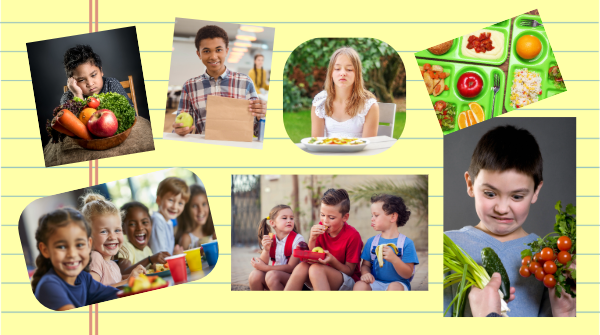
Although challenges lie ahead due to proposed reductions to SNAP and Medicaid, school meals continue to create familiarity and comfort around produce.
“Some kids have never tasted fruits or vegetables when they get to school, and many kids see eating fruits and vegetables as a chore,” weighs in Alex DiNovo, president and chief operating officer of DNO Produce, Inc. BB #:134515 in Columbus, OH.
“Produce suppliers have an opportunity to change this—one way is to partner with schools to make a product that’s appetizing, fun, and relevant in kids’ lives,” he says.
Through the USDA Fresh Fruit and Vegetable Program, DNO Produce supplies snacks to schools and DiNovo works with Chicago nonprofit Pilot Light on a classroom initiative called SnackTime Explorers, to pique curiosity in children about fruits and vegetables and build connections between food, wellness, and community.
DiNovo, who serves as advisory board chair, believes Pilot Light’s educational offerings can make a significant difference in how kids view fruits and vegetables, “to not only boost consumption but change the trajectory of human health in America.”
Better Messaging and Presentation
On the retail side, marketing is critical. First, it’s important to realize that young adults have different purchasing patterns from their elders, explains Jonna Parker, consultant and principle II of the Fresh Foods Client Insights Group of Chicago, IL-based Circana.
“They’re tuned in to social media trends; have an adventurous palate; are ethnically diverse and used to a variety of flavors; and prepare dinner—if they have one—in 15 minutes or less,” she explains. “They’re very much snacking their way through the day.”
Retail consultant Don Fitzgerald with The Partnering Group, former longtime executive at Roundy’s, Mariano’s Fresh Market, and Dom’s Kitchen and Market, remarks, “There’s often a ‘will’ to eat more produce, yet it waxes and wanes with external triggers. Real behavior change is very difficult for many of us.
“How to prepare and/or consume fruits and vegetables isn’t necessarily intuitive; it can feel like a must-do vs. joyful eating.”
“How to prepare and/or consume fruits and vegetables isn’t necessarily intuitive; it can feel like a must-do vs. joyful eating. Time is of the essence, so people will just grab something to ‘feed the need.’” Information, however, is crucial. “We can educate generations about how to be creative.”
He believes grocery stores should play a bigger role. “Retailers need to find more ways to continually activate, engage, and educate. Too often the produce department becomes stagnant like the cereal aisle, not much really changes. Yes, products come in and out of season (although we’ve lessened that over time) but the bins, tables, and decks stay constant.”
Fitzgerald recommends more in-store programs and campaigns with signage and logos. “The biggest barriers are labor and creative mindset. Many cheat the labor and it degrades the quality and presentation. If you want to win, increase consumption, and enhance margin—you need to invest.”
When it comes to kids, one way to grab attention at retail is with a favorite character from a book, movie, or television show. Crunch Pak targets retail customers with co-branded licensed products such as Mickey Mouse and Bluey. DiNovo says the company’s licensing has grown every year since its initial partnership with Disney in 2006.
“Our competition is more the center aisle and not the perimeter,” Freytag says. “Licensed characters are a great entry level. Parents go through the grocery store, their kids recognize these characters, and the parent is open to that purchase. They choose the product because of Bluey, but they’re exposed to the Crunch Pak brand as well.”
Meeting Consumers Where They Are
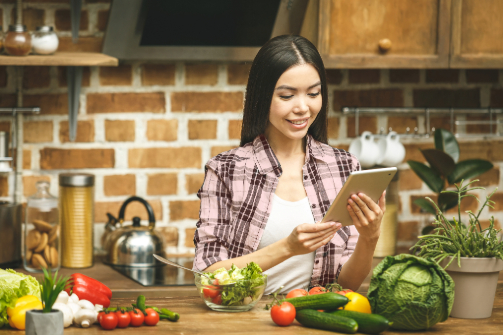
Thorne recommends more emphasis on social media. “That’s where younger consumers get their information, and that’s what will raise consumption,” she insists.
Fitzgerald agrees. “There should be continual education on produce and how to consume it in an enjoyable way. Make it more appealing, show ways to quickly prepare snacks and meals. Talk to younger consumers on social channels and meet them where they are to get their attention.”
Thorne says the Alliance for Food and Farming launched its “Safe Fruits and Veggies” campaign in 2010 to disseminate accurate information and counteract distortions such as the Environmental Working Group’s annual Dirty Dozen list.
The Alliance began working with influencers in 2013 and hosts them on an annual farm tour.
“They can see the care and commitment of our farmers, and also the innovation,” Thorne points out. “If we could get all consumers out to a farm, the misinformation would go away. But we can’t do that, so influencers are being our advocates.”
Parker notes that some of the fastest-growing produce items among younger consumers do indeed trace their popularity to social media. Frozen grapes are prime example: a recipe for frozen grapes back in 2022 went viral.
“If you create relevance, through marketing and communications, you get a new customer,” she notes. “Price is a lever, but it’s just one arrow in a quiver of many tactics. At the end of the day, consumers see fruits and vegetables as solutions with functional benefits.”

News you need.
Join Blue Book today!
Get access to all the news and analysis you need to make the right decision --- delivered to your inbox.




Subscribe to our newsletter
© 2026 Blue Book Services. All Rights Reserved

