

















Spotlight on Peppers: Take your peck
From colorful bells to scorching chiles, the pepper world is trending hot for buyers and sellers across North America and beyond.
Dominique/Adobe Stock
In this article

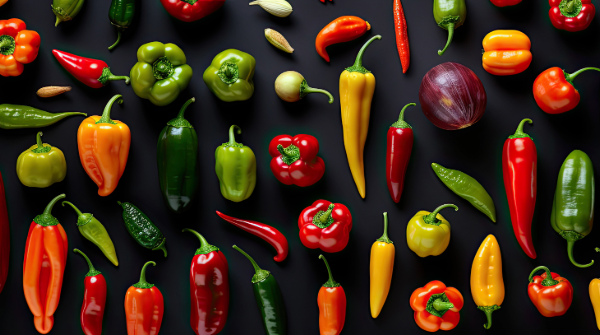
Jalapeño. Serrano. Pico de pájaro. Habanero. Fresno. Poblano. Chilaca. Red, yellow, and orange bells. Mini sweet bells. Purple, chocolate, white, and the time-honored green bell. These are just a few of the staggering varieties of sweet and hot peppers available to consumers around the world.
Despite Americans’ growing enthusiasm for healthier eating and ethnic cuisine—consuming 11 pounds of bell peppers and 8 pounds of hot (or chile) peppers per capita annually—Asia is the biggest global producer and consumer of peppers: India occupies the top spot for hot peppers and China leads in bell peppers.
Closer to home, the United States is a significant consumer and importer of sweet peppers. In 2025, U.S. growers produced nearly 840 million pounds of fresh bell peppers according to U.S. Department of Agriculture.
Imports of sweet peppers climbed to more than 1 billion pounds. Mexico supplied about 80 percent, with Canada making up the rest. When it comes to hot peppers, U.S. imports totaled some 988 million pounds, with about 97 percent from Mexico. Domestic production is concentrated in just a handful of states and falls far below demand.
While Americans like their peppers, so do Canadians and Mexicans. Mexico is by far the biggest consumer of both bell and chile peppers in Latin America. Canadians consume about 10 pounds of fresh sweet peppers per person per year. Unlike American and Mexican consumers, however, Canadians eat less than a pound of hot peppers annually.
Sweet vs. Hot? What do consumers prefer?
In the battle between the peppers, which one wins the popularity contest? The sweet or the hot? It depends on who you talk to, but growers, shippers, and importers generally agree bell peppers take the prize.
“Bell peppers are way more popular; chile peppers don’t even come close,” insists Edgar Duarte, sales manager at Rich River Produce, LLC BB #:349236 in Nogales, AZ. “As far as bells, they’re part of the meal, more of an ingredient. Spicy peppers are lagniappe.”
Rich River Produce imports and handles both kinds of peppers, but sales focus largely on chile peppers, such as jalapeños, serranos, Anaheims, caribes, poblanos, and specialties like Thai chiles (also known as pico de pájaro), Fresno chiles, and orange habaneros.
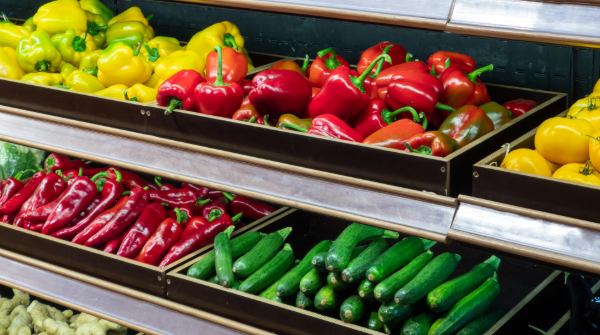
Duarte points out that bell peppers are on every produce shelf, often in amounts of 30 to 40 pounds, and in prominent well-lit displays, while popular hot peppers like jalapeños and serranos often feature in smaller quantities ranging from a single pound to 10 pounds.
“Consumer interest in flavorful and spicy foods continues to create opportunities across multiple pepper categories.”
Baloian Farms BB #:123034, a Fresno, CA-based grower, packer, and shipper, produces a variety of fresh vegetables, including bell peppers as well as jalapeños, serranos, habaneros, shishitos, and other specialty peppers.
According to Jeremy Lane, senior vice president of sales and marketing, bells continue to account for the highest volume in the pepper category, with green bells leading consumption and demand rising for colored peppers.
“That said, hot peppers continue to gain popularity as consumers become more adventurous and global cuisines become increasingly mainstream,” Lane says, noting jalapeños maintain their position as the most widely consumed hot pepper variety in the country.
“Consumer interest in flavorful and spicy foods continues to create opportunities across multiple pepper categories.”
Top Production Areas
California is the biggest producer of bell peppers for the domestic market, followed by Florida and Georgia. On the hot pepper front, production is concentrated largely in the country’s Southwest and West. Top among these producers are California and New Mexico, with Texas and Arizona not far behind.
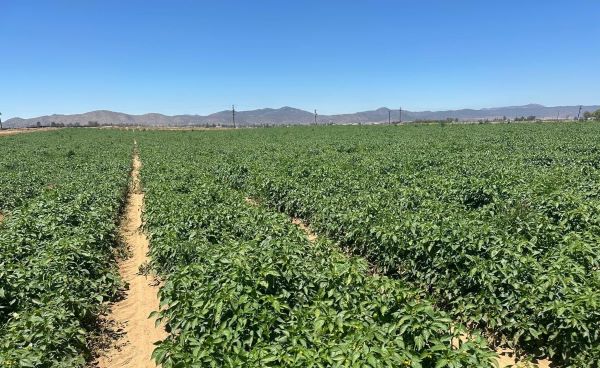
In Latin America, Mexico is the undisputed leader in terms of both sweet and hot pepper production. The most prolific growing regions, with a mix of open-field and protected growing, are Sinaloa, Sonora, Chihuahua, and Jalisco.
According to Mark Munger, vice president of marketing and business development for Nogales, AZ-based IPR Fresh BB #:170086, the company sources its peppers, including bell, mini sweet peppers, and a variety of hot peppers from a network of grower partners in central and western Mexico.
“The challenge is balancing consumer preferences with farm-level performance,” he explains. “Consumers are looking for exceptional flavor, vibrant color, and visual appeal, while growers require varieties that perform consistently under diverse conditions.”
Baloian Farms’ Lane notes that while the company has growing locations in California and Mexico and is focused largely on U.S. consumers, Canada is also an important market.
“While the U.S. market remains our primary focus, Canada continues to be an important destination for fresh produce,” notes Lane.
“The North American produce industry is highly integrated, and cross-border movement helps balance supply and demand while ensuring year-round availability for customers throughout the region.”
The Role of Technology
There’s no doubt technology is playing an increasingly critical role in produce operations. From new breeding techniques to food safety and traceability, technology is streamlining processes and providing valuable data.
Among the innovations for field growers are drones for spraying crops. Rich River’s Duarte describes the drones as large, measuring about 5×5 feet, and able to handle a variety of tasks previously handled by farm equipment and workers.
“It eliminates tractors going through the field or humans coming into contact with pesticides, for example,” he says, noting growers he knows who use such drones are not only saving time but money as well.
Tony Terry, sales director at Bailey Farms, Inc. BB #:166121, says the Oxford, NC grower-shipper is optimistic about the possibility of technology in the warehouse and in packing bulk and bagged produce.
“Robotics is an exciting technology that could really help in the packing house; however, the cost is not where our industry needs it to be yet.”
“Robotics is an exciting technology that could really help in the packing house; however, the cost is not where our industry needs it to be yet.”
Baloian Farms’ Lane is leaning in another direction. He sees AI and predictive analytics as having “significant potential, particularly in forecasting supply, anticipating demand patterns, and identifying operational efficiencies.
“While adoption is still evolving, these technologies are likely to play a larger role in decision-making over the next several years.”
Predicting a Savory Future
Despite some challenges with domestic production, most growers and importers believe the future for peppers is bright. Consumers want more fresh produce, and this bodes well for sweet and hot peppers of every kind.
Munger points to colored peppers as having room to grow in terms of popularity. “Color is the first thing consumers buy. Before flavor, before price, before nutrition, shoppers buy with their eyes—that’s why we believe colored peppers still have tremendous growth potential.”
Lane believes the ongoing need for year-round availability, convenience, and variety will push growers to experiment and explore. Going forward, he says efficiency will remain critical for businesses across the industry.
“Labor availability, water resources, transportation costs, and sustainability considerations will continue shaping production decisions,” he observes. “The growers and shippers who can consistently deliver quality while adapting to these challenges will be best positioned for long-term success.”



News you need.
Join Blue Book today!
Get access to all the news and analysis you need to make the right decision --- delivered to your inbox.






Subscribe to our newsletter
© 2026 Blue Book Services. All Rights Reserved

