


















Spotlight on Ontario: Holding steady
Despite soaring costs, supply hiccups, and trade uncertainty, Ontario's growers and distributors are going with the flow.

Zenstratus/Adobe Stock
In this article

Given the current economic realities of the world, rising prices remain top of mind for Ontario’s movers and shakers in the fresh produce world.
Hutch Morton, senior vice president at J.E. Russell Produce Limited BB #:115731 in Toronto, mentions a few: “On the farm, the packing line, energy costs, and labor costs,” which increase “the costs of food and add margin pressure to businesses like ours who operate in the middle of the supply chain between growers and consumers.”
Jim Veri, co-president of Exeter Produce & Storage Company Ltd. BB #:115339 in Exeter, zeroes in on high fuel costs. “We have 100 pieces of equipment that consume fuel,” he says, noting the effect extends to every aspect of farming from fertilizer to packaging.
Further, freight rates from the U.S. West Coast have hit upward of $5,000 at times, and ocean surcharges are rising as well. “The whole value chain has just gotten hammered with the cost of fuel,” adds Veri.
Jason H. Furman, president and COO for Sunbelt Logistics Group BB #:135767, based in Mississauga, notes, “Truck rates are among the highest we’ve ever seen due to high energy costs, in addition to the other supply constraints we face as an industry with a driver shortage and higher borrowing costs.
“Equipment has been harder to procure in the last six months than it has been in the last few years,” he says.
“You need a fairly strong balance sheet to succeed in farming these days,” observes Veri. He says the grower base in Ontario has been shrinking, largely due to the rising costs. “We’re always looking to turn a copper penny into copper wire, but we’re running out of things that can improve.”

Trade Uncertainty
Renewal negotiations for the USMCA trade agreement, or CUSMA (Canada-United States-Mexico Agreement) as it’s known in Canada, are ongoing and not particularly reassuring.
“For all of us across the international supply chain, free and fair trade will dominate the headlines and hamper our ability to do thorough business planning,” comments Morton.
Veri voices similar thoughts. “The trade situation has thrown a wrench in the viability of many import programs.”
Furman agrees. “This is the biggest trade deal we have and it’s important for Canada and for the United States to maintain it—it’s the wild card we cannot ignore and we’ll have to be ready to adjust for any updates to the agreement.”
Sunbelt is already making changes, having recently introduced a fourth-party logistics service that gives foreign produce growers and marketers an opportunity to sell their goods in Canada without having to establish operations there.
Despite often negative rhetoric in the news, all are trying to stay optimistic about the trade negotiations and their ramifications for the industry.
Crops: Inside or Out
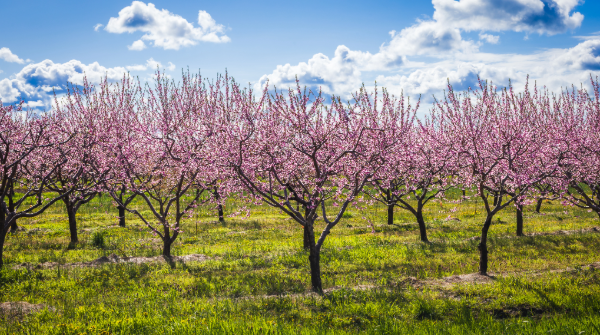
When it comes to outdoor growing in Ontario, many crops were delayed due to unseasonably cool temperatures this spring.
“We would normally be starting in a couple weeks on tree fruit in the Niagara region, but we understand even that’s delayed due to the weather,” Furman says, adding outdoor vegetables are also two to three weeks behind.
“The asparagus froze down to the ground three different times—that’s unheard of,” weighs in Veri. At the same time, imports were upended by weather events in the United States. “The freezes in Florida impacted our import programs.”
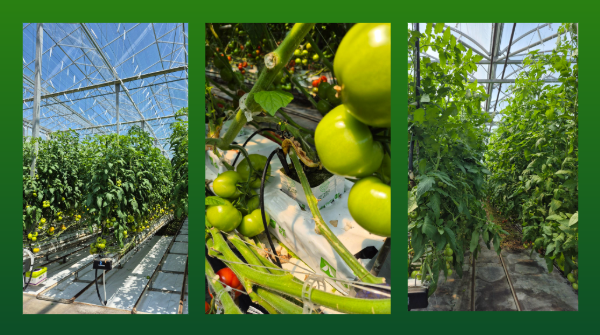
In contrast, Ontario’s huge greenhouse industry, in Leamington and Kingsville, is active and continues to supply truckloads of product across the province and to customers in Canada and the United States. For a bit more about this sector, see our companion article, a new Everything’s on the Table column.
Morton mentions J.E. Russell is one company boosting its greenhouse product. “We’ve found success with a local Canadian greenhouse grower, Haven Greens BB #:408514.
“We launched initially with salad mixes and recently added salad kits,” he says, noting the King City-based grower is helping fill climbing demand for Canadian-grown products.
One byproduct of the performance of the Haven Greens program, however, has been a slow decline in organic salads. “I think this speaks to consumers beginning to understand there are many great benefits to the attributes of greenhouse product, which have commonalities with organics,” Morton says.
J.E. Russell has also diversified its product offerings by introducing a grape program. What began with two shippers has expanded to a 52-week program with the addition of a third partner shipping from Mexico.
Demand Trends
Demand for Canadian fruits and vegetables remains strong, with some caveats.
One factor influencing demand is Ontario’s increasingly diverse population, boosting several categories. Veri cites cabbage and peppers as examples, which are staples in various communities.
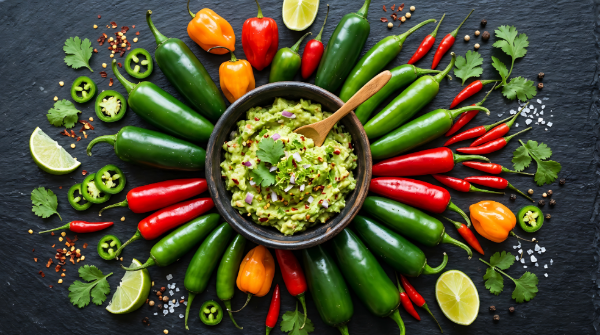
Hot peppers, in particular, are another expanding category. Exeter now sells 15 varieties of hot peppers to address higher demand from retailers and consumers. The company also recently added French beans to its offerings.
When it comes to the “Buy Canadian” movement, many consumers are still happily on board, but not in every case according to Morton.
“There’s often a reality that the aspirational ‘Buy Canadian’ sentiment meets at the checkout—while consumer sentiment is an important driver, quality and price continue to be the key elements of what informs purchasing decisions,” he points out.
Rick Carnevale, CEO, and Dorjee Namgyal, vice president of sales, of Veg-Pak Produce Ltd. BB #:115824, based at the Ontario Food Terminal in Toronto, credit both consumer demand and government initiatives for the enduring appeal of “Buy Canadian” products.
Convenience, too, remains appealing. “Packaged products are doing well,” Veri reports. “Many consumers want to grab and go, whether it’s cherries, grapes, or beans.”
Exeter Produce has introduced a larger-format green pepper package that’s almost like a club pack. “Green peppers are a staple, and the larger format offers value,” Veri says.
Carnevale and Namgyal note a similar trend in Veg-Pak’s packaging, offering retailers more options for consistency and branding. The company is also leveraging its relationship with Courchesne Larose Ltée. BB #:115999 to carry more imported and specialty items.
What’s Ahead
When it comes to what’s next for Ontario and its role in the fresh fruit and vegetable supply chain, there’s much that remains up in the air.
It’s likely there will be more supply chain volatility, cost pressures, price sensitivity, and trade and geopolitical risk, at least for the foreseeable future according to our participants.
But strong relationships with customers and other partners will help counter the effects and remain essential to keeping perishables on the move from field or greenhouse to retail shelves.


News you need.
Join Blue Book today!
Get access to all the news and analysis you need to make the right decision --- delivered to your inbox.






Subscribe to our newsletter
© 2026 Blue Book Services. All Rights Reserved

