



















Spotlight on Root Vegetables: Resilient and Trendy
Everyone should eat more vegetables, and this staple category shines as not only healthy but incredibly versatile.
Andrii Yalanskyi/Shutterstock
In this article
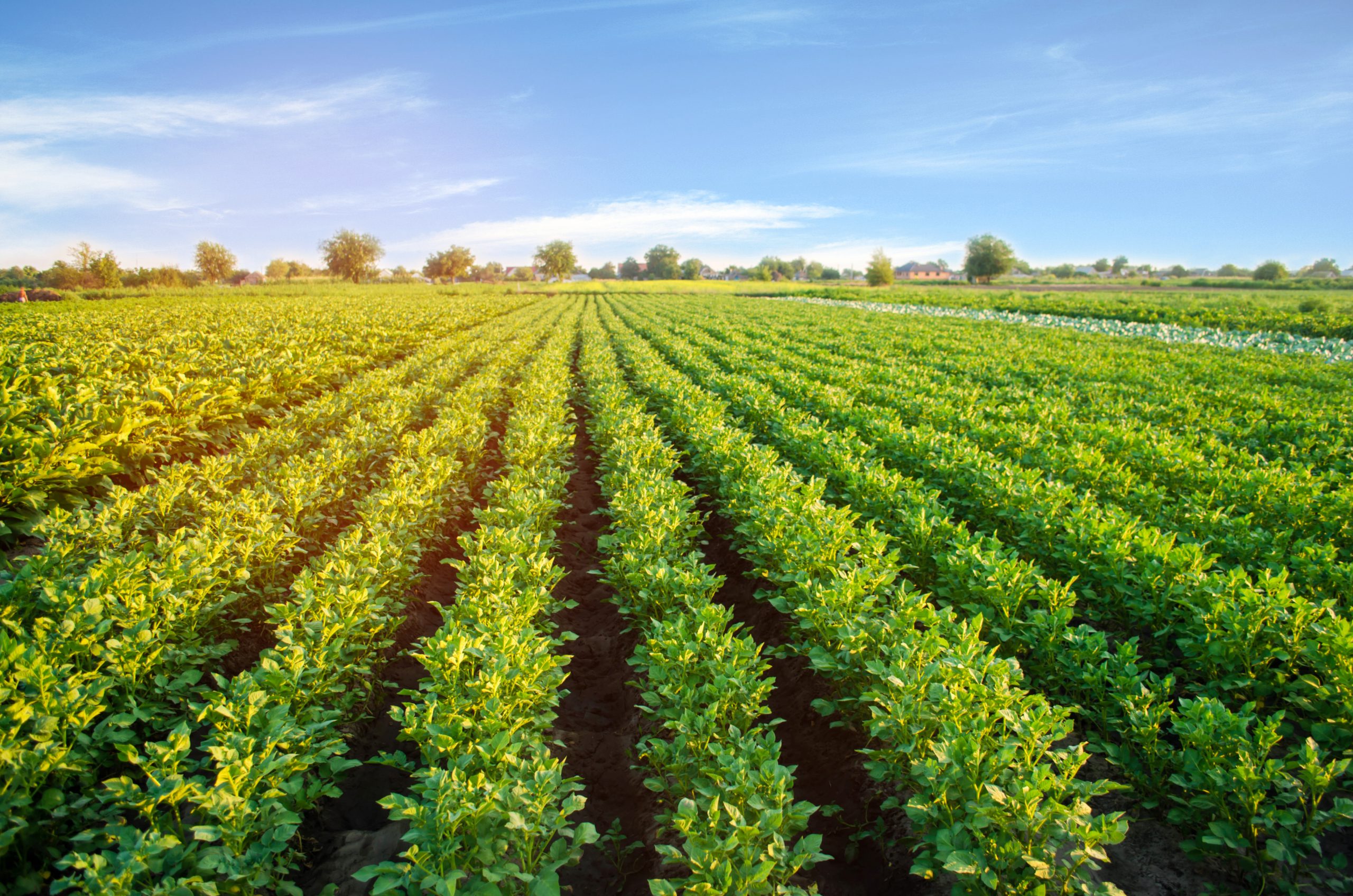
Year after year potatoes, onions, and carrots rank among the top five most-consumed vegetables in the United States. The benefits of these and other root veggies—good nutritional value, low consumer prices, recipe flexibility, and ability to grow almost anywhere—have helped make them an enduring staple.
High Costs Are Top of Mind
Even with steady demand, however, rising costs are one of the biggest challenges the industry currently faces.
“The cost of planting, production, bagging, and sales—everything has gone up,” comments John Vlahandreas, national onion sales director at Idaho Falls, ID-based Wada Farms Marketing Group, LLC BB #:189555. The group has multiple locations, including onion operations in Salem, OR.
Worse yet, despite climbing costs, prices for onions and potatoes haven’t changed much if at all.
“We’re still getting the same price we got 50 years ago,” Vlahandreas says. There was a temporary blip of higher prices in 2023, but they didn’t last. “It’s now back down about equal to what it costs to grow and package. It’s going to be a tough year, I think.”
J.P. Surerus, vice president of sales for Potandon Produce, LLC BB #:152652, headquartered in Idaho Falls, ID, supplier of Green Giant potatoes and onions, is of the same mind.
“When it comes to the production side, the main concerns continue to be the overall inflationary pressures on direct inputs and new equipment costs, coupled with the extremely low grower return on the crop.
“When it comes to the production side, the main concerns continue to be the overall inflationary pressures on direct inputs and new equipment costs, coupled with the extremely low grower return on the crop.”
“Fertilizer costs are expected to increase another 4 to 6 percent,” he continues. “Pricing on products like potash, which spuds use a lot of, and MAP (Monoammonium phosphate), are exacerbated by the current tariff environment.
“Crop protectants are expected to rise another 5 percent for next year, again, increased in part by trade policies limiting Chinese supply of active ingredients. New equipment costs continue to soar as tariffs on steel and aluminum drive prices 10 to 15 percent higher year-over-year.”
Technology to the Rescue
To try to keep costs down, growers are looking at technology solutions, which, fortunately, continue to improve.
“We’re making a push toward automation as much as we can,” notes Vlahandreas.
One area where he sees potential is laser-weeding machines, which have become more widely available over the past few years. These use robotics and laser beams to destroy weeds while leaving crops intact. They also reduce labor and the need for herbicides.
“Drone imagery and soil moisture and crop conditioning sensors, both in-field and in storage, are the technologies that will have the biggest impact on spuds,” predicts Surerus.
“It’s still difficult for most to really monetize the drone imagery, but the soil/storage sensors are definitely making a difference for those who leverage that data correctly,” he adds.
Going forward, Surerus sees the potential of AI-powered “vision” technology as particularly promising.
While it’s good news that better technology exists, rising costs make upgrades difficult.
“Growers started using it on chip lines five to six years ago to detect foreign material before product was shipped. It’s my understanding some growers can now use this technology on their storage loading lines to get an almost real-time picture of size profiles and other attributes of potatoes going into storage.”
While it’s good news that better technology exists, rising costs make upgrades difficult.
“With the increases in input and equipment pricing—combined with the overall lack of a government ‘safety net’ in potatoes that many other commodity crops enjoy—the farmers that don’t go broke will be unable to invest in the capital upgrades needed to keep their operations producing at the efficiency levels we’re used to seeing,” Surerus says.
“It eventually becomes a vicious circle.” he adds.
Uncertainty Impacts Trade
As is true for most growers, uncertainty reigns in the root vegetable category due to tariffs and changing trade relationships.
The situation affects not just production inputs as discussed above, but imports and exports of the items themselves, with the impacts varying by commodity, location, and trading partner.
Despite the challenges overall, potatoes have benefited from improved trade relations with Mexico over the past three years. Exports of fresh U.S. potatoes have grown significantly over that time, and Mexico now accounts for 43 percent of total U.S. potato exports.
“Opportunities to export potatoes to Mexico and Central American countries have become more frequent,” confirms Surerus.
“We’ve seen a trend with some retailers in Mexico trying to create a shopping experience and assortment that closely resembles what you’d find in U.S. stores,” he says.
“They’re still very grounded in traditional offerings but are bringing the potato varieties and brands into stores their customers recognize when shopping north of the border.”
Like the saying, “everything old is new again,” several recent foodie and health trends have raised consumer interest in a range of root vegetables.
Capitalizing on Trends
Like the saying, “everything old is new again,” several recent foodie and health trends have raised consumer interest in a range of root vegetables.
This past summer, a Korean-style salad featuring julienned ribbons of carrot, posted by influencer Cassie Yeung, went viral on social media. Radishes also continue to trend, in part due to recipes, such as French radishes with butter, that have been a hit on TikTok.
Celeriac has been earning accolades from the likes of celebrity chef Gordon Ramsay, for its health properties and versatility, including as a meat substitute. The Filipino purple yam, or ube, one of the flavor trends of 2024, has seen its popularity extend into 2025, especially in packaged goods and foodservice.
Fermented foods, with recipes including carrots, radishes, rutabagas, turnips, or parsnips, are also still trending.
Among the stalwarts like potatoes, one in particular continues to go from strength to strength. “Demand for yellow potatoes in almost all pack styles continues to rise,” Surerus says.
“The higher retail price for yellows doesn’t seem to slow down shoppers from putting them in their baskets and we’ve seen sustained growth in that category.”
At the same time, reds have been in decline, with competition from Russets—which are abundant, lower priced, and benefit from frequent promotional activity—accelerating this long-term trend.
“As an industry, we need to continue inspiring consumers to cook more at home and find creative ways to incorporate vegetables into everyday meals.”
Promotions, cross-merchandising, and other marketing efforts help capitalize on trending categories and raise awareness for the health benefits, flavor, and flexibility of root vegetables in general.
“As an industry, we need to continue inspiring consumers to cook more at home and find creative ways to incorporate vegetables into everyday meals,” says John Shuman, president and CEO of Shuman Farms, Inc. BB #:157367 in Reidsville, GA.
Shuman Farms is a year-round grower and shipper of premium sweet onions under the Real Sweet and Mr. Buck’s Farm Fresh brands.
“Cross-merchandising and incremental displays remain key tools to drive these sales, especially as we enter the holiday season, when consumers are looking for meal solutions,” Shuman explains.
“We continue to invest in innovative promotions and cause marketing campaigns that connect emotionally with consumers while driving produce consumption,” he adds. Examples range from Real Sweet tailgating promotions to the company’s Healthy Family Project initiatives that support Feeding America.
Packaging Innovations Meet Consumer Needs
Potato packaging is changing to embrace evolving consumer behaviors, notably a desire to buy root vegetables in smaller quantities.
Sales of 8-pound bags saw a 23-percent increase in 2024, according to Potatoes USA, whereas sales of traditional bulk formats such as 20- and 50-pounders are on the decline. The desire for smaller portion sizes and ease of use is also driving packing innovations like resealable, microwavable, and mini packages.
Packaging innovations, however, are less practical on the bulk onion side.
“It’s a staple—people grab one or two and throw them in the cart,” says Vlahandreas. “Onions are sold in bags, boxes, and sleeves. Every year there’s something different for packaging, but it’s expensive and wasteful to keep trying new ones that don’t move the needle.”
Shuman believes collaboration across the supply chain, from growers to retailers, is essential to keeping root vegetables, like produce in general, top of mind for consumers.
“By combining consistent supply with creative marketing and merchandising, we can continue to grow the category together,” he says.


News you need.
Join Blue Book today!
Get access to all the news and analysis you need to make the right decision --- delivered to your inbox.






Subscribe to our newsletter
© 2026 Blue Book Services. All Rights Reserved

