

















Midwest Spotlight: Style, substance, and ample supply
The Heartland is a hub like no other, with outstanding seasonal crops and access to everything else customers need.
Nicholas J. Klein/Adobe Stock
In this article

When it comes to fresh produce, the Midwest is anything but mid, as growers and distributors work together to serve up an endless bounty of seasonal and imported items.
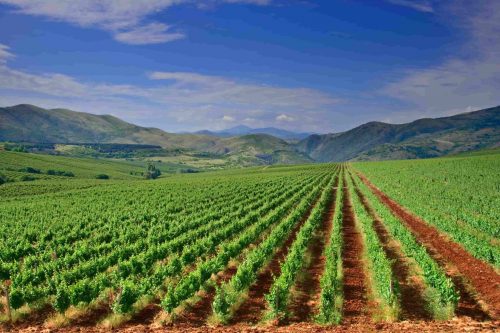
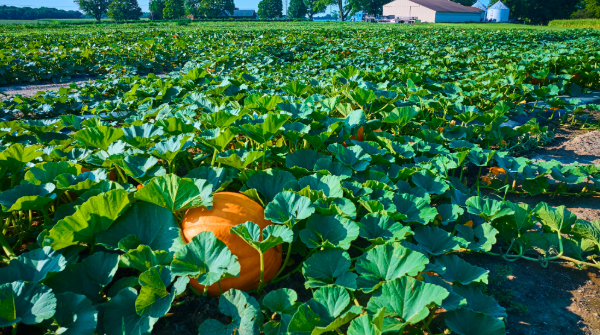
While it’s famously known as the Corn Belt, the region produces an array of seasonal fruits and vegetables, including apples, blueberries, cherries, cabbage, peppers, pumpkins, squash, and, of course, sweet corn.
Thanks to its central location in the heart of the nation, the Midwest enjoys easy access to the entire country and into Canada and Mexico too.
Bountiful Benefits
Besides the prime location, there are clear advantages to running a produce business in the Midwest.
“We’re a diverse agricultural area with fertile grounds, timely rains, and great growers and grocery retailers,” points out Henry DeBlouw IV, CEO of Butch’s Best, LLC BB #:361495, a distributor and fresh-cut processor in Capac, MI.
In the summer, DeBlouw says every week gets better as more local items become available. “You start with cabbage and zucchini first, then lettuces and bell peppers begin.” Once August arrives, he says, it’s easy to quickly fill trucks.
“The Midwest is a really unique produce hub,” agrees Michael Vespa, logistics manager of Vee’s Produce, LLC BB #:138420, a broker and distributor of potatoes and onions in Superior, WI.
“Even though we grow a variety of commodities in the Midwest, we still heavily import from the West and East Coast,” he says. He considers it a nearly foolproof system, with local items filling in when prices from other sources get too high.
“I still see some isolated places looking for another rain, but pumpkins are a desert crop. They like heat and don’t like their feet wet.”
Steady Business and Stable Supply
Business has been consistent this year for Detroit, MI-based receiver and importer Ben B. Schwartz & Sons, Inc. BB #:104793.
“People always want nutritious fruits and vegetables,” notes Jordan Grainger, vice president of sales and business development.
“We have a very strong Michigan-grown program, so we can offer high-quality, local produce. We try to support our local communities as much as possible and source commodities from our Midwest backyard to minimize transit times and guarantee peak freshness.”
When it comes to potatoes, the crop has been “outstanding” this year according to Ron Petersen, CEO of grower and repacker Summertime Potato Company BB #:101804 in Carlisle, IA. “There’s been a good size profile as far as B- and C-sizes.”
DeBlouw also feels positive about the season so far. “The cabbage crops look pretty good, zucchini is going well, and bell peppers are beginning in many places.”
He adds that Butch’s Best has been expanding by 30 to 50 percent per year, mentioning both squash and pumpkins as especially popular. DeBlouw is particularly excited about this season’s pumpkins.
“Our crops look phenomenal this year,” he enthuses. “I still see some isolated places looking for another rain, but pumpkins are a desert crop. They like heat and don’t like their feet wet.”
Potato and onion volume also has been stable, according to Vespa. “We haven’t had any major flags, inspection issues or grading or sizing issues.”
While they mostly handle potatoes and onions, Vee’s has moved into other commodities in recent years and into logistics, which Vespa says gives them a leg up. “We understand quality control, whether it’s shelf life or temperature control,” he explains.
“We’re always looking to give our customers whatever they need, however they need it.”
Keeping Things Fresh
Some Midwestern businesses are offering new varieties along with value-added items to stand out from the competition.
Ben B. provides and wide range of products, including organics and greenhouse items from across the border in Leamington, ON.
“As cities get more diverse, people are exposed to different types of cuisines and exploring new foods,” Grainger points out. “We’re always looking to give our customers whatever they need, however they need it.”
DeBlouw is looking ahead to fall. Butch’s Best is offering larger white pumpkins along with new mini pumpkin varieties including Phantomita (a tricolor, striped mini pumpkin), Orangita (deep orange with heavy ribbing), Midnight (ultra-dark green or black), and Senorita (a mix of orange and yellow).
“We’re always trying to figure out new and fun packs to keep Halloween interesting,” he shares. “I think that’s our secret sauce, trying to reinvent and differentiate ourselves.”
Overcoming Obstacles
While supply has been relatively steady, businesses in the Heartland still face their fair share of challenges.
“Tariffs, fuel costs, and growing conditions have made sourcing produce more difficult, and high fuel costs and labor shortages mean some growers can’t fully tend to or harvest their crops, which ultimately brings supply down,” observes Grainger.
“We’re also seeing impacts from unusual weather patterns, such as the extended cold bursts in the Midwest, which pushed back the typical growing season, and the Florida freezes that devastated their agricultural industry this year.”
DeBlouw adds that the cost of transportation is a top concern. “I’ve seen rates 80 percent or higher out West, and we do a lot of business out there. And in the Southeast, Northeast, and Midwest, I think rates could be 30 percent higher than last year.”
“People are very cautious of how often they go to the grocery store, what they’re buying, and how much they’re buying.”
Summertime’s Petersen agrees that transportation costs are a major issue, compounded by the current economy.
“Our economy and the fuel prices have been a very challenging roadmap—there are many uncertainties,” he says. “People are very cautious of how often they go to the grocery store, what they’re buying, and how much they’re buying.”
Looking Ahead
Despite the challenges, Grainger believes the industry will prevail.
“The entire supply chain has faced pain points this year, but good has come out of it as well,” he notes. “We’re working together to find ways to absorb costs while staying efficient, which has helped us strengthen relationships with our customers and vendors.”
Petersen shares this optimism. “I think things will right themselves and the economy will settle down. Our industry will keep going, especially as we keep promoting to the younger generations.”

News you need.
Join Blue Book today!
Get access to all the news and analysis you need to make the right decision --- delivered to your inbox.



Subscribe to our newsletter
© 2026 Blue Book Services. All Rights Reserved

