

















The Cold Chain: Trust only flows in one direction, it shouldn’t
Led by Brad Guinane, Blue Book's new Supply Chain Solutions division is here to build a verified two-way street.
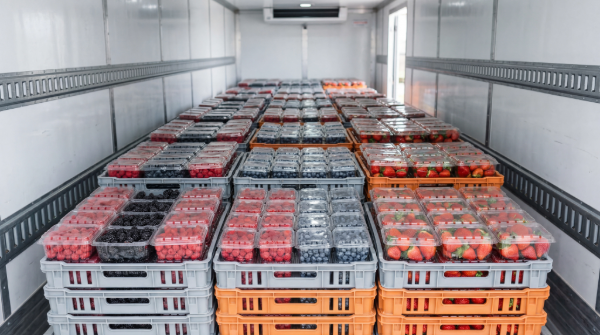
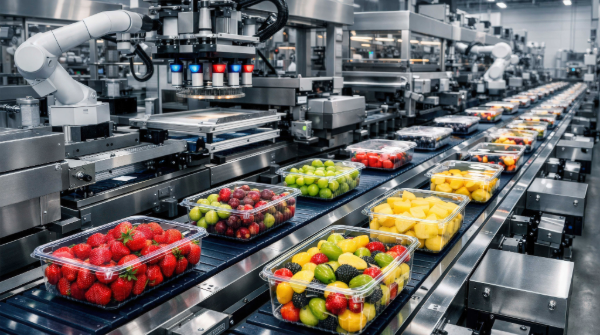
Meow Creations/Adobe Stock

The cold chain has made real strides on monitoring, real-time temperature data, door-open detection, and predictive analytics, and this investment has genuinely improved how fast a problem gets caught in transit.
But even with all of this in place, temperature excursions still account for roughly 14 percent of product losses in temperature-sensitive logistics globally.
The reason: monitoring only answers what happened after a load is already moving. It can’t answer the question that actually determines outcome: should this load have gone to this carrier, or this carrier’s freight to this shipper in the first place?
That’s a trust problem, not a technology problem, and it runs in both directions.
For decades, cold chain compliance was retrospective by design: a trailer left the dock, a logger recorded the ride, and nobody found out about a problem until delivery, by which point the product was already compromised.
Better sensors closed the speed gap between “something went wrong” and “we found out.” But they were never designed to close the gap that matters more: knowing, before a load is ever tendered, whether the counterparty on the other side of the transaction can actually be trusted with it.
The real gap isn’t detection, it’s the absence of behavioral data, and most of what the cold chain uses today is a one-time snapshot.
That question doesn’t just belong to the shipper. The real gap isn’t detection, it’s the absence of behavioral data, and most of what the cold chain uses today is a one-time snapshot. A DOT number, an insurance certificate, a registration status: checked once, treated as settled.
These confirm a business exists. None of them say anything about how it actually behaves over time, under real conditions, with real perishable freight on the line. The cold chain hasn’t built that two-way layer yet. Only one side is expected to prove itself.
A shipper vetting a carrier wants to know: does this carrier have a real track record with temperature-sensitive freight, not just freight in general, and does its pattern of on-time, in-spec handling hold up across many loads?
That’s a fair question, and the cold chain has started asking it. But a carrier extending capacity to a fresh food shipper is taking on real risk too, with almost no data to evaluate it.
Detention time at the dock, how consistently a facility loads on schedule, whether a shipper’s claims history is reasonable or a pattern of disputing charges that were never the carrier’s fault, or how quickly a shipper pays—none of this shows up in a load board post or a rate confirmation, even though it’s the same kind of trust decision running in the opposite direction.
What a two-way behavioral data layer would actually look like is an ongoing, evolving picture built the same way as a credit score, and applied to both parties.
For a carrier: a real track record with temperature-sensitive freight, accumulated across many loads. For a shipper: a pattern of reasonable dock times, fair claims resolution, and reliable payment, accumulated the same way.
Trust that only flows one direction isn’t really trust, it’s a background check on a single party, and that’s not enough to close this gap. The stakes are the reason this gap can’t wait on either side.
The cold chain doesn’t get to run the experiment twice per load, and a carrier doesn’t get to rebuild a damaged shipper relationship any more easily.
The cold chain doesn’t get to run the experiment twice per load, and a carrier doesn’t get to rebuild a damaged shipper relationship any more easily.
Every other high-stakes, low-recoverability transaction category in the economy has arrived at the same answer: stop relying on a one-time check of one party and start generating mutual insight from accumulated behavioral data evaluated before the transaction, not audited after.
Perishable freight remains one of the last major categories still relying on a one-directional model everyone else has already moved past. This is the exact problem Blue Book was built to solve, and it’s why we exist for the entire cold chain, not just one side of it.
Long before the “cold chain” was a category, produce buyers and sellers faced this same trust gap: high-dollar, perishable transactions between parties who often had no prior relationship, with real risk on both sides.
Blue Book’s rating and verification model was built specifically to close this gap, as a continuously updated record of how counterparties actually behave, checked before the deal, trusted by the whole industry because it reflects real accumulated behavior rather than a one-time credential.
That same model is exactly what’s missing across cold chain logistics today, on the shipper side and the carrier side. It’s why Blue Book launched Supply Chain Solutions: to extend that same trust infrastructure from produce into transportation.
I lead this effort because it’s the same problem I’ve spent my career on, just applied to a new part of the supply chain.
Our goal isn’t another point solution for one party to vet the other. It’s to close the mutual trust gap for the entire cold chain.
Our goal isn’t another point solution for one party to vet the other. It’s to close the mutual trust gap for the entire cold chain the way it’s already been closed for produce, for shippers and carriers alike. It means building tools to give both sides of the transaction the behavioral data they’ve never had.
For shippers, it’s a verified, continuously updated profile of a carrier’s actual track record with temperature-sensitive freight, not just registration status. For carriers, it’s the same thing in reverse: verified visibility into a shipper’s dock reliability, claims history, and payment behavior before capacity gets committed.
Built on Blue Book’s existing produce and supply chain network, this is the same trusted, continuously verified record that’s underpinned produce transactions for over a century, extended to cover the full cold chain relationship instead of just one side of it.
And the gap is only getting harder to close with a one-time check, as the tools bad actors use keep evolving. A credential, a certificate, a registration listing: all are easier to fake, clone, or hijack than just a few years ago.
A one-time snapshot was already a weak foundation for trust. It’s an even weaker one when the snapshot itself can be convincingly forged.
Continuously accumulated behavioral data is much harder to fabricate than a single document, because it isn’t one credential to compromise, it’s a track record built from real transactions over time.
This is precisely the kind of trust infrastructure Blue Book spent decades building for produce, and it’s what Supply Chain Solutions is built to deliver for cold chain logistics as a whole.
This is precisely the kind of trust infrastructure Blue Book spent decades building for produce, and it’s what Supply Chain Solutions is built to deliver for cold chain logistics as a whole.
Not a single check made once and set aside, but a living record that gets more reliable, not less, as everything around it gets easier to fake.
Monitoring will keep getting better, and it should. But no amount of monitoring answers the question that determines whether a load ever needed monitoring to save it in the first place: was this the right counterparty, on either side, to trust with it?
That’s the gap the cold chain still has to close, and it’s the one Blue Book was built to close.



News you need.
Join Blue Book today!
Get access to all the news and analysis you need to make the right decision --- delivered to your inbox.






Subscribe to our newsletter
© 2026 Blue Book Services. All Rights Reserved

