


















The Year Ahead: Shifting retail landscape
In the retail grocery world, change it seems, is the only constant. “Consumer purchasing is really changing,” says Don Goforth, marketing director at Family Tree Farms Marketing, LLC...
In the retail grocery world, change it seems, is the only constant.

“Consumer purchasing is really changing,” says Don Goforth, marketing director at Family Tree Farms Marketing, LLC in Reedley, CA. “It used to be about finding the next great retailer; now it’s about how to meet the demands of consumers, even if that’s direct to consumer. People are having food delivered to their door or picked up curbside. There’s much less face-to-face shopping.”
Supplying the online space continues to be a challenge and an opportunity for the industry.
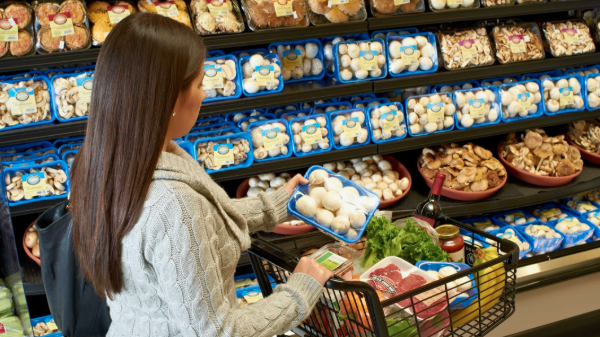
Anthony Totta of Fresh Xperts consultancy in Lee’s Summit, MO, says companies are packing produce in stackable clamshells that are easy to put into a box, bagging items in advance and shipping them ready to sell, and packaging onions, shallots, and potatoes in smaller bags to reduce waste, all to support the needs of online specialists such as Amazon as well as retailers’ ecommerce operations.
Kristen Park, extension specialist at Cornell University, says produce suppliers have to make sure they know how to fit into the online sales process and compete effectively, because Amazon/Whole Foods and Walmart completely changed the dynamics of sourcing and marketing.
The annual U.S. Online Grocery Shopper Study, from the Retail Feedback Group (RFG) in Lake Success, NY, reiterates the Catch-22 of selling perishables online—to be able to provide both quality and freshness.
“Unfortunately, produce leads the areas that shoppers indicate fall short of the highest quality standard,” says Brian Numainville, principal at RFG.
“Top reasons shoppers give for not purchasing produce online are [wanting] to choose it themselves or worrying it might not be fresh,” says Numainville. “To be as effective as possible at selling produce through ecommerce channels, shoppers will have to be reassured and educated on how their produce is selected and handled.”
Image sources are either licensed or customer-provided.
News you need.
Join Blue Book today!
Get access to all the news and analysis you need to make the right decision --- delivered to your inbox.




Subscribe to our newsletter
© 2026 Blue Book Services. All Rights Reserved

