



















Private equity, M&As, and the produce industry
I’ve been with Blue Book long enough to remember the dot-com frenzy in the late 1990s. At one point, I recall 10 to 15 tech startups, backed by...
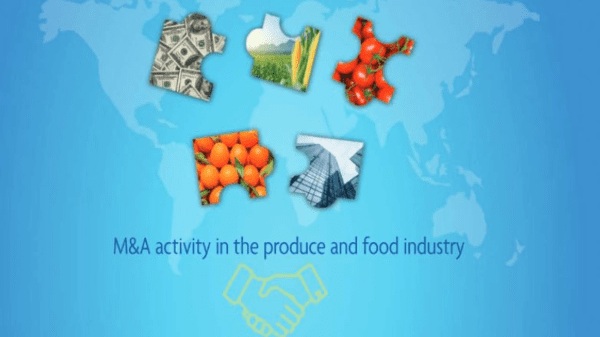
I’ve been with Blue Book long enough to remember the dot-com frenzy in the late 1990s. At one point, I recall 10 to 15 tech startups, backed by millions of private equity (PE) investment, all competing to “revolutionize” the produce industry.
They built extravagant exhibits at industry tradeshows and recruited top talent from a host of produce companies. Yet when the tech bubble burst the late 1990s, nearly all these startups were shuttered.

Back then, it was tech companies and industry disruptors that attracted PE investment. In the years since, we’ve seen a steady increase of PE investment being made in actual produce companies—businesses that grow, ship, package, and deliver fresh fruits and vegetables.
On the one hand, this can be viewed in a positive light. There’s a reason why grocers require consumers to enter their stores through the produce section—our products engage the senses.
We’re a diverse industry with thousands of varieties, sizes, colors, and flavors sourced from every corner of the world.
We’re not just a commodity business—when consumers purchase fresh fruits and vegetables, they’re buying health, nutrition, well-being, joy, adventure, romance, and much, much more. It’s no surprise investors want “in” with produce!
On the other hand, this can be viewed in a negative light—PE doesn’t just bring financial investment, it brings outsiders who lack knowledge of the industry, and its often singular focus on the bottom line can harm the well-established relational aspect of our industry.
The rich history of family-owned and operated businesses is replaced with bigger conglomerates seeking to gain scale and efficiency. This results in the big getting bigger as suppliers and buyers vie for positions of power.
Of course, there is no one-size-fits-all solution. Regardless of your views on this matter, it’s impossible to ignore the impact of increasing private investment, mergers, and acquisitions on our industry, which is why we feature this topic in this series from the July-August Produce Blueprints.
We trust you’ll find these articles, along with all of our editorial content, thought provoking and helpful in the important role you play in our great industry.
Image sources are either licensed or customer-provided.

News you need.
Join Blue Book today!
Get access to all the news and analysis you need to make the right decision --- delivered to your inbox.





Subscribe to our newsletter
© 2026 Blue Book Services. All Rights Reserved

