

















Brighter water outlook in Salinas
The California water picture has gotten enormous amounts of attention from both the agricultural press and the general media, but most of this has focused on the San...
The California water picture has gotten enormous amounts of attention from both the agricultural press and the general media, but most of this has focused on the San Joaquin Valley and the Yuma Valley on the Arizona border.
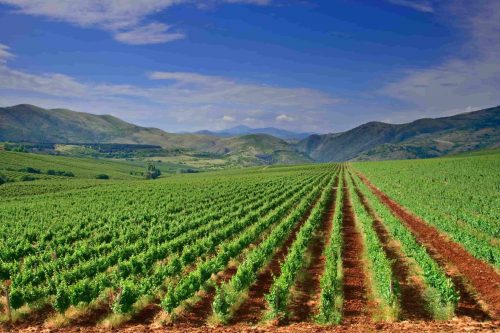
The Salinas Valley, the “nation’s salad bowl,” has water issues of its own, but they are very different.

I thought I would check in with Christopher Valadez, president of the Salinas-based Grower-Shipper Association BB #:162651, about the situation in his region.
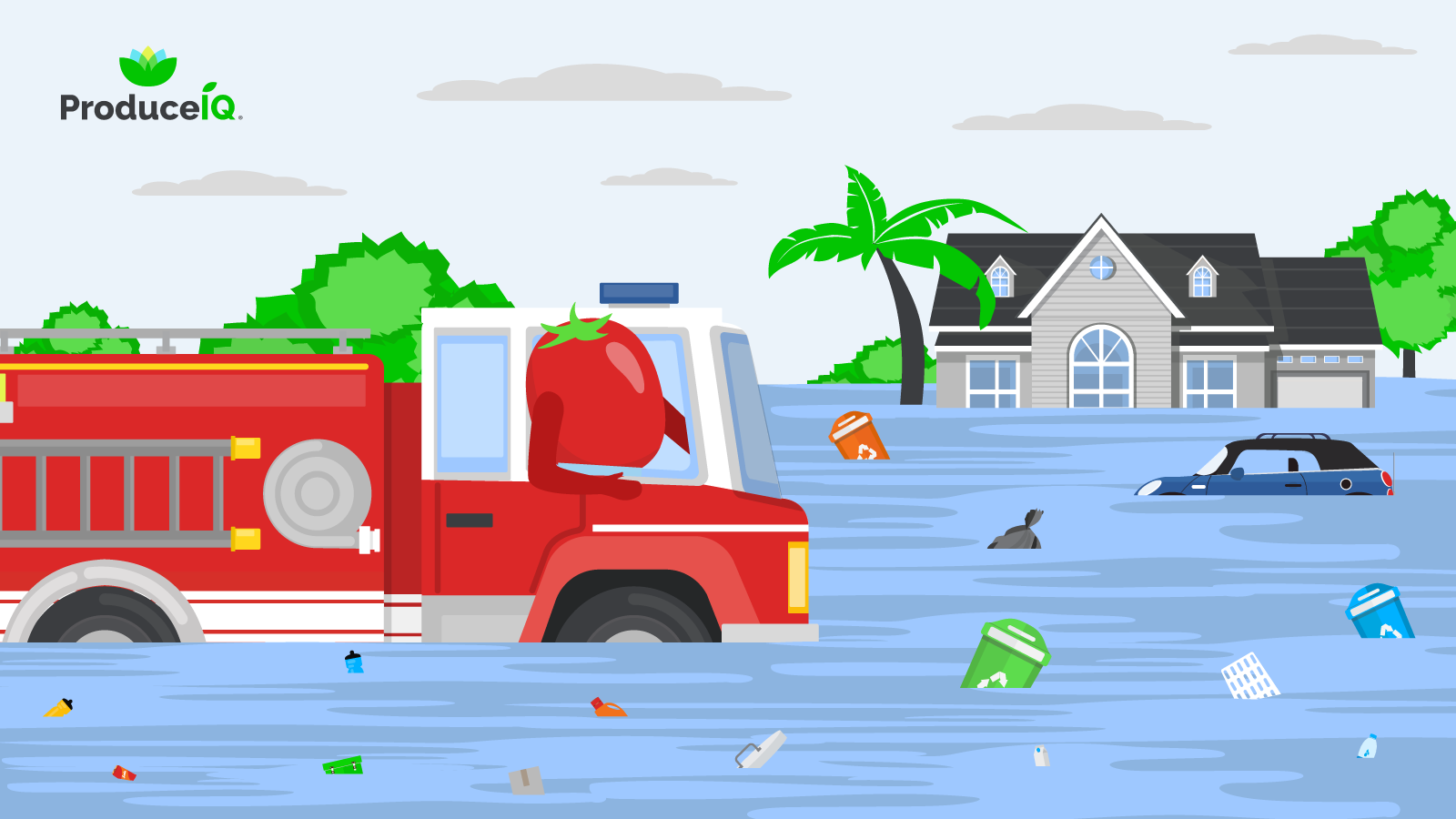
Earlier this year, the valley was hit by flooding as a result of the atmospheric rivers that deluged the state during the rainy season. Citing a survey conducted by the Monterey County agricultural commissioner, Valadez says that about 20,000 acres were “flooded or flood-impacted”—about 10 percent of the region’s productive acreage.
In addition to the actual flooding, Valadez mentions “substantial wet weather,” which “caused a delay at the front end of the season.” All in all, however, the total effects of the flooding were “comparatively minor.”
Despite the damage, this year’s deluge brightened the water outlook for Salinas Valley growers, Valadez points out, because it caused a tremendous flow through the Salinas River, the region’s principal source of water.

Salinas River water is not primarily used through surface irrigation, Valadez observes. Instead, growers largely irrigate by pumping groundwater. Even so, the river is central to the irrigation picture, because it is the river that recharges the groundwater.
Growers were feeling anxious during the three previous consecutive seasons of drought, but the deluges of this season have calmed them considerably.
At this point, the slower start to the season and cooler than average temperatures have slowed crop development, Valadez notes, although he expects that the situation will improve as warmer weather comes in mid-June. He expects ample crop supplies to meet higher summer demand.
Agriculture in the Salinas Valley largely uses drip irrigation, Valadez notes—although it is almost always drip tape rather than lines because of rotational practices. Sprinkler irrigation is used, although mostly to establish a crop.
The immeasurably complex California water picture takes years to understand completely. As the Salinas Valley shows, it is sometimes best explored region by region.
Image sources are either licensed or customer-provided.

News you need.
Join Blue Book today!
Get access to all the news and analysis you need to make the right decision --- delivered to your inbox.




Subscribe to our newsletter
© 2026 Blue Book Services. All Rights Reserved

