


















Signature Status: Showing some love to three fruit faves
Two are longtime staples and one is a more recent up-and-comer, but this fruit trio has plenty to offer in flavor and nutrition.
be free, Nancy, eqroy, Ibenk.28, New Africa, barmalini, Aisyaqilumar, Somchai, Ilgastocker/Adobe Stock
In this article

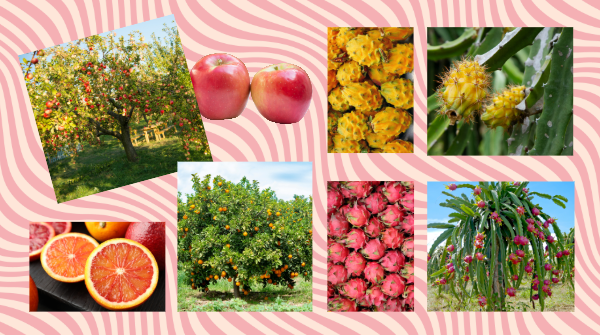
From apple orchards in New York to citrus groves in California and tropical fruit programs spanning multiple countries, produce industry leaders all have their favorite ways to prepare and eat their signature products, whether they’re combined into a tasty smoothie, baked in a mouth-watering pie, or incorporated into a healthy salad.
If you’re on the hunt for new ways to prepare and consume fresh produce, look no further than these mouth-watering and healthy ideas suggested by industry folks who know their stuff—especially their own products—probably better than anyone else.
Brett Baker, H.H. Dobbins, Inc. & United Apple Sales, LLC
Brett Baker is president of H.H. Dobbins, Inc. BB #:103532 and United Apple Sales, LLC BB #:170382, based in Lyndonville NY, and the fourth generation of his family in the apple industry.
So it’s not surprising one of his favorite ways to eat apples is tied to a delicious family tradition: his grandmother’s apple pie. Featuring tender, juicy apple slices nestled in a warm, gooey, and lightly spiced caramel sauce, his slice is always topped with a scoop of vanilla ice cream.
While apple pie never goes out of style, Baker is also fond of incorporating apples into another food offering—charcuterie boards. “I love to have sliced apples as part of a charcuterie board—mix a few different varieties to add different colors to the board.”
One of Baker’s favorite apple varieties is Snapdragon, developed by Cornell University. Harvested at the end of September, Snapdragons exude a vanilla spice flavor and a distinctive blush-red coloring.
“What I love about growing apples is that I’m doing the same thing my ancestors did.”

While consumers continue to demand new varieties, Baker says growers have become more cautious. “The startup investment and financial risk is staggering at this point,” he observes, adding that many growers are instead focusing on economies of scale and harvest precision to maximize storage quality and long-term returns.
To help address challenges caused by unpredictable weather, H.H. Dobbins and United Apple recently opened an office in Michigan, sourcing apples from there along with New York and Pennsylvania. Baker expects this to reduce the risk of a crop shortage if weather damages orchards in one area.
Given his family’s lengthy tenure in the industry, Baker has seen plenty of ups and downs over the years. Despite various pressures, he enjoys carrying on the work started by his grandfather, Howard Red Baker, who founded the company, as well as his father, Paul Baker.
“What I love about growing apples is that I’m doing the same thing my ancestors did,” he says. “While varieties and methods are different, the Baker family has been involved in growing, storing, packing, and marketing apples for more than 100 years—that’s pretty cool.”
Monique Mueller, Bee Sweet Citrus, Inc.
It’s safe to say that not a day goes by that Monique Mueller, director of communications for Bee Sweet Citrus, Inc. BB #:123033 in Fowler, CA, doesn’t include one of her company’s signature products, the Royal Red Orange, in her diet.
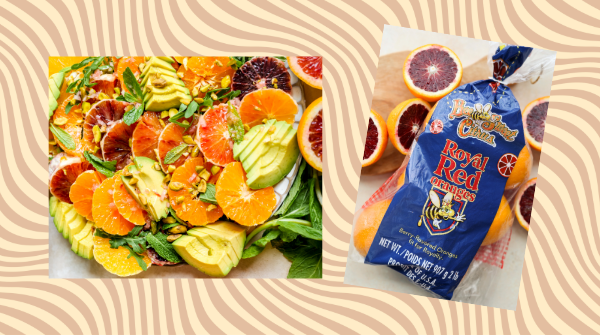
One of her favorite preparations is Bee Sweet’s Citrus Avocado Salad, which combines mixed greens, avocados, mandarins, navel oranges, and those Royal Reds, all in a citrus vinaigrette. “Their delicate, raspberry-like flavor and stunning magenta hue bring a burst of color to any dish, transforming ordinary meals into something truly special,” she says.
The recipe, developed especially for Bee Sweet Citrus, is featured on the company’s website and part of a broad focus on healthy eating and recipe development. Mueller says the oranges are essential because they provide a sweet taste that balances the salad’s flavors.
Olgastocker/Adobe Stock
Bee Sweet is also introducing a new variety this season: Rosy Red Valencia Oranges. According to Mueller, the fruit combines the juicing qualities of traditional Valencias with a sweeter flavor, coral-colored flesh, and blushed rind that also make it ideal for salads, juices, or an on-the-go snack.
“Rosy Reds stand out for their sweet, juicy flavor and versatility,” she enthuses. “Unlike some varieties best suited to either eating or juicing, Rosy Reds excel at both.”
The variety traces back to 2009 when Bee Sweet grower Nancy Lange discovered a spontaneous variation growing on a single limb of a Valencia orange tree. Bee Sweet later partnered with Lange to bring the fruit to market, with this season marking Rosy Red’s commercial debut.
No matter which citrus fruit she chooses, Mueller feels good about adding it to her regular menu lineup, because, as she notes, “I love nourishing my body with healthy foods.”
Alex Jackson, Frieda’s, LLC
For Los Angeles-based Frieda’s, LLC BB #:388120 (more commonly known as Frieda’s Branded Produce), introducing unfamiliar produce to American consumers has long been central to the company’s mission.
Alex Jackson, vice president of sales and marketing, takes this goal to heart, and then some. She’s been immersed in the world of exotic produce for decades.
One of her favorites is dragon fruit. She likes eating it simply, slicing the fruit in half, scooping out the flesh and adding it to smoothies or fruit bowls. “Dragon fruit’s mildly sweet flavor and kiwi-like texture really shine when you don’t over complicate it,” she explains.
Frieda’s currently markets four dragon fruit varieties: Snow Dragons feature white flesh and a mild flavor; White Pink Dragons offer a brighter appearance and bolder taste; Honey Dragons are known for their honey-like sweetness and yellow skin; and Fire Dragons stand out for their vivid magenta flesh and earthy sweetness sourced from Nicaragua’s volcanic soil.
Olgastocker/Adobe Stock
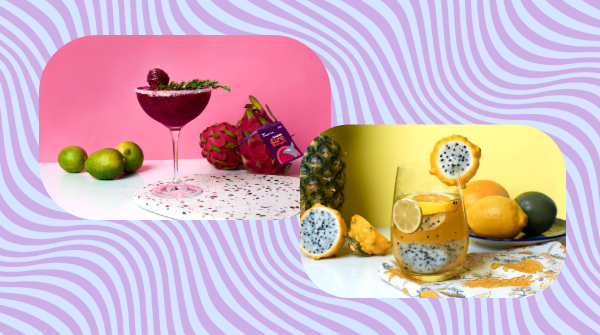
Dragon fruit’s versatility means its uses have expanded into cocktails and sangria. Fire Dragons can be blended with mango purée, mint, pineapple juice, and coconut rum for a colorful tropical drink while Honey Dragons add sweetness to sangria without requiring as much added sugar.
While dragon fruit is less familiar to American consumers, Jackson says it stands out in the grocery store aisle because of its namesake visual appeal: its vibrant, scaly pink or bright yellow exterior. Its inner flesh is soft, spongy, and filled with tiny, edible, crunchy black seeds.
Frieda’s, which was founded by Jackson’s grandmother, Frieda Caplan, has introduced U.S. consumers to more than 200 fruits and vegetables over the past six decades. Dragon fruit’s debut was in the late 1970s, when it was still commonly called pitaya or pitahaya.
Jackson says U.S. shoppers have fallen in love with exotics, and they tend to become repeat customers. “That’s the cycle our company was built on,” she notes.
Final Musings
Whether its apples or citrus or dragon fruit, all are delicious, nutritious, versatile, and easily found in grocery retailers across the nation. Although our contributors may have a slight bias, each of the fruits shared here have several varieties and flavor profiles to entice even the pickiest of appetites.



News you need.
Join Blue Book today!
Get access to all the news and analysis you need to make the right decision --- delivered to your inbox.




Subscribe to our newsletter
© 2026 Blue Book Services. All Rights Reserved

