

















Controlled Yet Rapid Growth: A look at CEA
As protected growing expands across North America and beyond, learn about the latest tech and top indoor crops.
panophotograph/Adobe Stock
In this article

A rapidly evolving sector, controlled environment agriculture (CEA) has exploded in popularity in recent years, especially as adverse weather events increase in frequency and strength.
While most CEA structures can withstand whatever Mother Nature throws at them, growers deal with their own set of hardships, including high costs. Even so, protected growing continues to gain ground, literally and figuratively, as consumers seek reduced food miles and less environmental impact with their purchases.
Emphasized Advantages
There’s no disputing fully enclosed, highly controlled growing spaces have advantages over open field cultivation. Weather is a big one, with consistency and quality also factoring into the equation.
Tom Stenzel, executive director of the CEA Alliance in Washington DC, is well aware. “Indoor farming allows growers to control many of the factors that are unpredictable outdoors: temperature, sun and/or clouds, pest pressure, drought, even flooding. Essentially, CEA gives growers better tools to produce a quality product.”
Mark Slater, president of Erie-James Limited BB #:119434 in Leamington, ON, agrees. “We can grow year-round and are protected from any outside weather events.”
A longer growing season and steady production are key to supplier relationships as well.
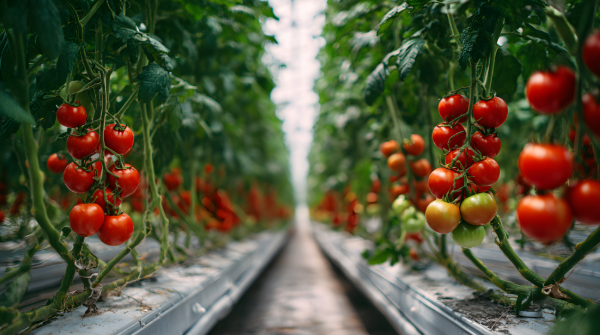
“We have a consistent supply of vegetables: tomatoes-on-the-vine, bell peppers, seedless cucumbers, and mini cucumbers,” weighs in Rick Policella, shareholder and in sales and marketing for Policella Farms Sales BB #:193227 in Kingsville, ON.
He’s able to maintain a high level of quality and extend shelf life while still taking advantage of Mother Nature’s own bees for pollination. Better yet, he adds, “Green energy from our solar farms is assisting in reducing our carbon footprint and with sustainability.”
Sonia Klinger, marketing manager for Del Fresco Produce Ltd. BB #:194101 in Kingsville, drills down even further into the details.
“We see CEA as a way to deliver consistently high-quality produce year-round, with precision growing that allows us to control climate, water, and nutrients to achieve reliable flavor, freshness, and supply regardless of external conditions.”
Types, Sizes, and Technology Levels
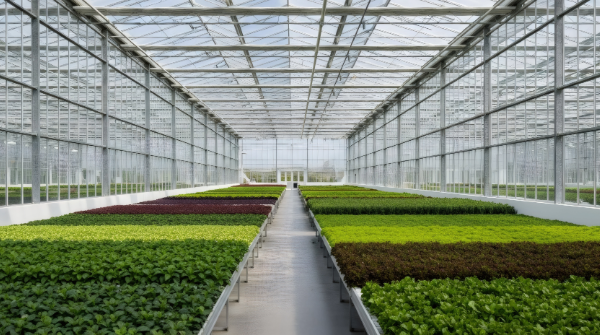
When it comes to CEA, there are myriad ways to grow. There is no universal structure as they come in various dimensions, heights, and lengths.
They don’t just include traditional greenhouses either, as recent innovations include more vertical growing operations able to leverage height and less space in urban areas.
How they grow has seen upgrades as well, with various high-tech hydroponic and aeroponic systems designed to deliver nutrients to cultivate a variety of crops.
“The industry is increasingly focused on smarter growing systems that combine technology with grower expertise,” notes Klinger.
This includes “data-driven climate control, improved LED and hybrid lighting systems, closed-loop irrigation, and more efficient energy use, all aimed at producing more with fewer inputs while maintaining premium quality.”
“We’re using state-of-the-art diffused glass, which increases plant growth and quality tomatoes,” shares Policella. “Our facility is also using solar panels that are zero emission and used to offset the high energy costs all growers have been dealing with.”
But the ingenuity doesn’t stop there. “Lighting continues to be a rapidly developing tool,” points out Stenzel.
“Companies now offer variable lighting platforms that can automatically adjust as needed for plant growth. We’re also seeing seed companies specialize in varieties designed for indoor production,” he adds.
Downsides, Misconceptions, and Consequences
Yet, like everything else, CEA installations aren’t entirely infallible. “Sunshine or lack of sunshine does affect our production,” comments Erie-James Limited’s Slater. “However, we can control the growing temperature.”
“A common misconception is that greenhouse growing is easy or fully automated,” observes Klinger. “When in reality it requires experienced growers, constant monitoring, and a deep understanding of plant biology to maintain quality and consistency at scale.
“Another misconception,” she continues, “is that CEA is inherently more sustainable in every case, when in fact it depends on how energy and resources are managed.”
Policella agrees, noting multiple hurdles to enduring, successful production cycles. “The top challenges for CEA are our increased labor, energy, and fertilizer costs,” he explains. He believes the higher sustained costs will lead to climbing prices across the board.
New Varieties and Experimentation
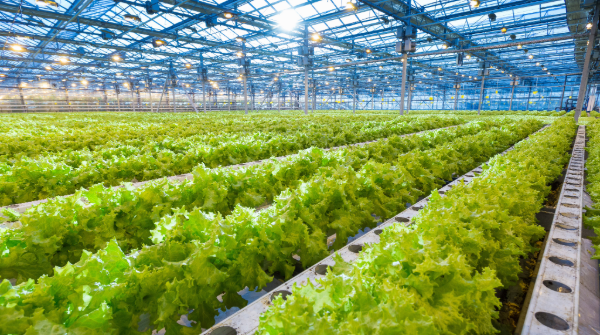
Tomatoes, cucumbers, peppers, and leafy greens are staples in CEA, but other fruits and vegetables are staking a claim of their own. Growers continue to broaden their offerings ranging from berries to melons to eggplant.
“We’re always looking for new varieties of fruits and vegetables that may offer great quality and nutrition as well as good yield and plant health is key to success,” notes Policella.
“We’re currently expanding our 2026 production facility, increasing it to an additional 13 acres. We will now have 35 acres of CEA in full production for the 2026 season and look forward to a great year.”
“Many growers are experimenting with new varieties and new commodities,” adds Slater, mentioning strawberries, Roma tomatoes, different types of leaf lettuce.
Klinger puts it this way: “Growers are expanding into additional crops where greenhouse conditions provide clear advantages.”
She says this includes strawberries and other high-value fruits, “but crops with low economic return per square foot or those requiring extensive space, like grains and many root vegetables, remain difficult to grow under protection at scale due to cost and biology.”
“The CEA industry is expanding globally, but in a more disciplined way than in the past.”
Leading the Charge
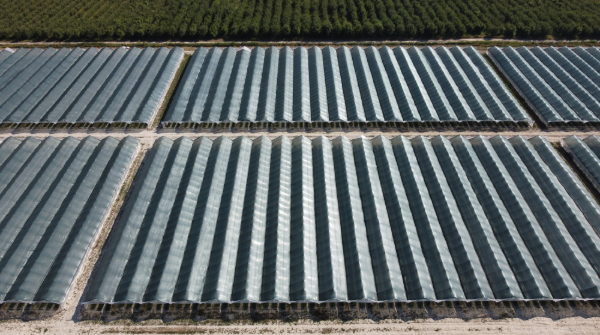
Canada, most notably Ontario, has led the way in protected growing for years. Leamington is a CEA mecca, with thousands of acres of greenhouses and indoor growing.
The United States and Mexico had a slower start, but they too are now capitalizing on the trend. Canadian growers have established operations in both countries, although they each have successful homegrown competitors as well.
Beyond North America, other countries are also growing their CEA presence on a global scale. The Netherlands is another well established and longtime grower, but other countries are seeing the value.
“The CEA industry is expanding globally, but in a more disciplined way than in the past,” observes Klinger.
“We’re seeing continued growth in regions where investment in CEA is being driven by food security priorities, access to technology, and demand for locally grown, high-quality produce.”
Stenzel mentions particular growth in the Middle East, “because of its harsh climate and limited local production.” Although he says CEA farms are expanding nearly everywhere, North America remains a significant and important area of growth.
Nevertheless, a major impediment is cost. “CEA farms are capital intensive,” Stenzel agrees.
“As indoor farming is an essential part of agriculture’s future, governments should be supporting industry expansion through loan programs, research and development, risk management, and other tools,” he says.
“The biggest challenge is getting the correct returns (prices) to cover the higher costs of production,” weighs in Slater.
“You’re continuously competing with outdoor production from many other growing regions, and all the products are perishable. It’s very difficult to set and maintain pricing, due to supply and demand.”
“Addressing these challenges requires continued innovation in energy efficiency, automation, workforce development, and crop optimization to ensure long-term sustainability and profitability,” adds Klinger.
Wrap-Up
As growers, importers, and other produce purveyors continue to deal with a rapidly shifting market and increasingly harsh weather conditions, CEA might seem like an inevitability. But its considerable costs and specialized know-how represent their own risks.
As Stenzel has noted, support and subsidies would certainly help the CEA industry scale. Regardless, he believes interest is already gaining momentum. “CEA is definitely expanding, both in North America and around the world,” he insists.
“Despite some shake-outs among early players, today’s survivors are better positioned to ensure profitability. Most importantly, consumers are voting with their dollars, choosing fresher, higher-quality indoor grown produce at retail stores—this demand will continue to drive more CEA production.”



News you need.
Join Blue Book today!
Get access to all the news and analysis you need to make the right decision --- delivered to your inbox.







Subscribe to our newsletter
© 2026 Blue Book Services. All Rights Reserved

