

















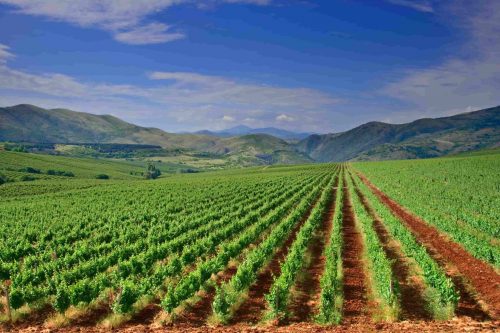
Nogales, Part 1: Import & Trade Report
This year’s annual Nogales coverage is divided into two articles: here's the first, with industry commentary on imports and trade.
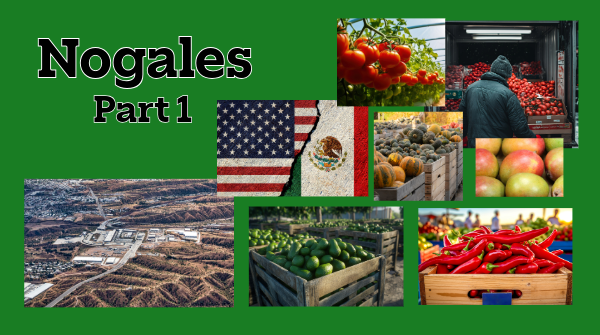
tim, MasterSergeant, AkuAku, kinara art design, dimetradim, Bjorn Wylezich, Констянтин Батыльчук/Adobe Stock
In this article

Nogales, AZ remains a crucial port of entry for many of the fruits and vegetables coming into the United States from Mexico.
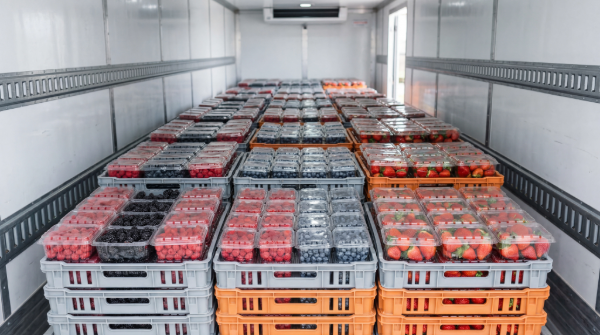
Come rain or shine, the United States continues to rely on Mexican imports where fresh fruits and vegetables are concerned. Over 60 percent of North American fresh vegetable imports and 40 percent of fresh fruit comes from Mexico, with a full 91 percent of Mexican produce exports bound for the United States.
Of this number, more than a third—37 percent as of last year—entered though the Mariposa port of entry in Nogales, with this number surging for the winter months as shipments head for markets across the United States and Canada, with a total value of more than $3 billion.
While these numbers have shown a steady upwards trend since 2000, with only minor fluctuations, there’s still much to report when it comes to Nogales.
This year’s annual coverage is divided into two parts, with this first article covering imports and trade implications, and our second article, next week, offering snapshots of wholesalers, detailing their supply and distribution.
“This season’s weather has caused some uneven production cycles in our key growing regions.”
Mother Nature’s Playbook
Weather is always a factor in the Nogales deal, and this year was no exception with both drought in the northern reaches of Mexico and heavy rain in the south taking a toll.
While some crops such as avocados remained strong, others, such as table grapes, contributed to an overall projected decline of 7 percent in produce exports.
“This season’s weather has caused some uneven production cycles in our key growing regions,” admits José Luis Obregon, president of IPR Fresh BB #:170086 in Nogales.
“Heat spikes and irregular rainfall have led to fluctuations in volume and slight gaps in production, particularly for items like bell peppers and European cucumbers,” Obregon notes.
The good news is strong relationships with growers helped ensure consistent quality and minimized the most severe supply disruptions.
Trade and Controversies
For 2025, weather, labor, and shipping issues paled in comparison to the ongoing murkiness of foreign trade. The Trump administration’s reliance on tariffs as a negotiating tool raised hackles and many questions about the outlook for Nogales moving forward.
Some importers reported losses in the millions from tariffs in the first half of 2025, and the revocation of the Tomato Suspension Agreement has cast a significant shadow on the number-one produce import from Mexico in terms of both value and volume.
“We maintain that the Tomato Suspension Agreement was more beneficial for the market than the 17 percent antidumping duties that are in place,” insists Lance Jungmeyer, president of the Fresh Produce Association of the Americas (FPAA) BB #:144354, noting imports were down slightly in 2025 compared to previous seasons in an inflationary environment.
“It may take a couple of seasons for the fallout to occur, or it could come much quicker if there’s a major crop failure in the Southeast, such as from a hurricane or devastating freeze.”
“Antidumping duties have caused companies to halt expansions and business development priorities; tomato importers have shelved facility expansion plans,” Jungmeyer adds. “They’ve foregone investing in improvements to their marketing schemes.”
The full impact of current U.S. trade policy with Mexico can’t be predicted at present. While the FPAA is certain a rethinking of tariffs and the Tomato Suspension Agreement are inevitable, the timeline is unclear.
“It may take a couple of seasons for the fallout to occur, or it could come much quicker if there’s a major crop failure in the Southeast, such as from a hurricane or devastating freeze,” Jungmeyer points out.
“Consumers will continue to buy vine-ripened tomatoes, which are primarily from Mexico, but now they’re paying more for the privilege of purchasing what they like.”
Fewer Dollars, Tighter Purchases
Even without the added stresses from trade and weather extremes, importers and distributors as well as consumers are still battling inflation and economic instability.
When consumers have less money to spend on food, Jungmeyer points out, they buy fewer units, which adversely impacts imports and pricing, affecting the entire perishables supply chain.
There’s also an impact on discretionary buying, especially in areas like organic produce, according to Miguel Suárez, managing member of MAS Melons & Grapes LLC BB #:158291.
“We’ve done some organic melons before, but very little,” he explains. “With the current economic situation in the nation, I don’t think it’s the right time to grow organics because they’re expensive.”
For Obregon and IPR Fresh, the uncertainty makes it difficult to add to the company’s product line. “We continually explore opportunities to expand our offerings, and there are specialty items we’d like to carry more consistently,” says Obregon.
“The main challenge is finding growers who can meet our standards for quality, volume, reliability, and food safety compliance. We prefer to grow our portfolio responsibly rather than bring in items without a solid, dependable program.”
“While seasonal patterns always influence volumes, the overall infrastructure, grower investment, and industry commitment to the corridor remain very solid.”
What’s Next
Many purveyors in the industry are happy to have 2025 behind them, but the forecasts were mixed when comes to the outlook for Nogales in the short- and long-term.
Jungmeyer predicts a stabilizing period once the United States, Canada, and Mexico sign the next trade agreement, while Suárez urges caution from Mexican growers based on a lack of water and the unstable U.S. economic climate.
Obregon is more hopeful in the long term, believing focused collaboration with growing partners will instill both confidence and stability.
“While seasonal patterns always influence volumes,” he says, “the overall infrastructure, grower investment, and industry commitment to the corridor remain very solid.”

News you need.
Join Blue Book today!
Get access to all the news and analysis you need to make the right decision --- delivered to your inbox.



Subscribe to our newsletter
© 2026 Blue Book Services. All Rights Reserved

