


















A Closer Look: Government-run retail doesn’t work
A small grocer in Kansas City closed recently, but its demise was noteworthy for several reasons.
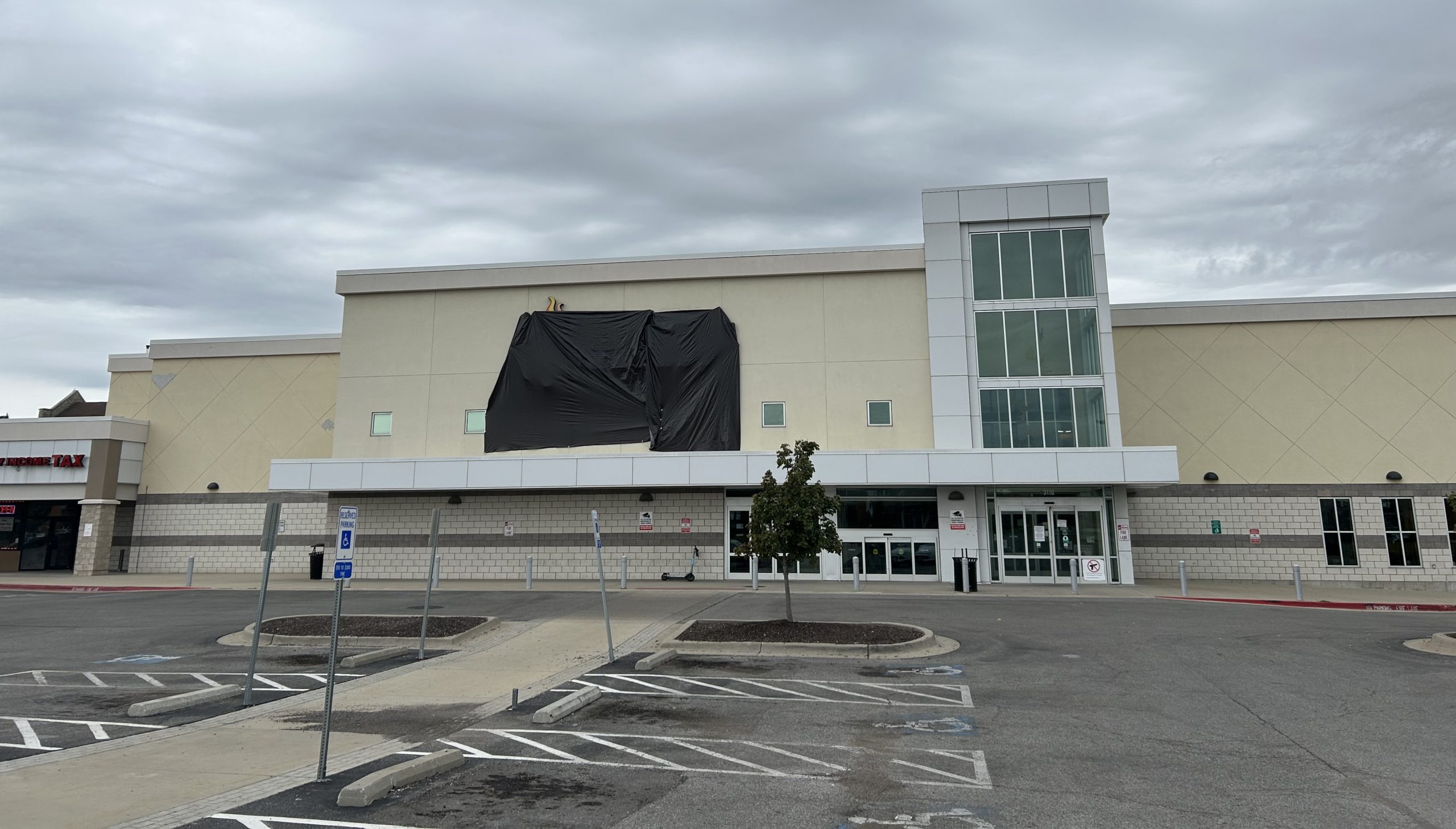
A grocery store closing because its costs got too high shouldn’t be news. But this August, it was for many reasons, and there are lessons to learn from it.
A Sun Fresh Market in Kansas City, MO, located at 31st Street and Prospect Avenue, closed two weeks ago because of “insurmountable challenges,” according to its operator.
Its operator was a nonprofit group called Community Builders of Kansas City, and its budget came from the Kansas City government. Over a 10-year period, the city spent $29 million in taxpayer dollars to keep the store running.
But it was plagued by high crime, both inside and outside the store, few customers, supply chain problems, labor problems, and management problems, among others. It was created to serve a low-income population in what was considered a food desert.
Its failure has led to much finger-pointing, from the city toward its operator, from the operator to the city, from customers to both, and to the police for not better protecting the area.
I took particular notice since I cover the fresh produce and retail industries, and this store is less than 10 miles from Blue Book media headquarters (my home office).
But there’s a simpler reason this store failed: the government can’t run a grocery store better than the private market.
But there’s a simpler reason this store failed: the government can’t run a grocery store better than the private market.
The grocery and food supply chains are complex, and the companies that participate in it find a way to do it profitably despite the challenges. They have to, in order to stay in business, especially one that’s low margin like the grocery business.
The city has no such incentive, as evidenced by the tens of millions it spent on a losing business. The nonprofit has no profit incentive by its nature and clearly no expertise in the grocery business.
Despite news reports that it’s a food desert, there are two grocery stores less than a mile from this Sun Fresh—an Aldi and a local-owned Happy Foods, and a Costco just over a mile away.
Grocery stores can operate in this area profitably with proper management and industry expertise. These stores even did it despite competition from a store that was taxpayer-funded, which seems unfair.
That’s another reason this store closing was in the news because on a national level, at least to legacy media, New York City mayoral candidate Zohran Mamadani has proposed establishing a $65 million network of city-funded grocery stores, although he hasn’t said if they would be operated by the city or nonprofits.
New York bodega and small business groups have vocally opposed the idea for good reason. Chicago considered the idea of city-owned stores a few years ago and abandoned the idea after a study.
Affordable food is indeed a challenge for governments, big and small, but they aren’t the ones to solve it by taking over grocery stores and running and funding them.
Cities should look at what business barriers affect grocery stores and their customers and work toward solving them, such as better police protection, tax incentives, and cutting back on regulations, to name a few.

News you need.
Join Blue Book today!
Get access to all the news and analysis you need to make the right decision --- delivered to your inbox.








Subscribe to our newsletter
© 2026 Blue Book Services. All Rights Reserved

