

















Week in Review: What the election means for produce
John Torres, IFPA’s new VP of U.S. Government Relations, is optimistic about working with new leadership following the midterm elections.
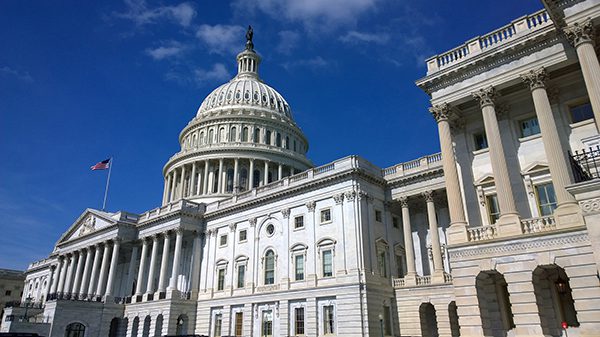
Midterm elections tend to be better for the party not in power, but the Democrats’ success this week was more in the realm of generational.
As of this morning, the Democrats picked up seven seats in the Senate and 41 in the House of Representatives, for majorities in both houses when the new Congress convenes in January.
That will mean new leaders and members of both houses’ agriculture committees, which won’t likely be known until late January or early February, once Democrats settle on their leadership and make committee selections.
But in the next two months, we have a “lame duck” Congress that has many bills on the table, including the farm bill.
This week I spoke with John Torres, IFPA’s BB #:378962 new Vice President of U.S. Government Relations, who is optimistic about working with new leadership.
“Some of the meaning behind this election is a fresh focus coming into Congress that needs to address what people care about such as rising costs, fuel, and housing,” he said. “The election is a mandate for Congress to be more focused on essential priorities.”
Torres said the biggest opportunities for the produce industry are in these areas:
- Food safety: We need improved systems, safer food, and healthier consumers;
- Affordability: Voters are tired of rising food costs and demand a system that brings them down or at least slows the rise;
- Labor: Congress has to address the need for growers to have qualified labor within the law;
- International trade: Congress has a role to play in trade with regards to duties and tariffs; and
- Energy: Growing fruits and vegetables is energy intensive, and the rapid rise in costs eat away at the ability to grow crops affordably and stay in business.
Regarding the farm bill, Torres said Senate leadership from both parties have said they plan to pass a version in the next few months and then hopefully conference with the House on its version to pass the bill before the end of the year.
If they don’t, he said he expects an extension, but the new Congress will have to start from scratch on a new farm bill, which would take a lot of time.
“There’s an opportunity for agriculture and nutrition interests to build back a coalition that has gone away,” he said.
On nutrition, the Make America Healthy Again movement has been positive for the fresh produce industry, with its emphasis on whole, real food, and produce’s prominence in dietary guidelines.
Torres said MAHA will have to figure out its future, but people in both parties generally agree on the importance of public policy that prioritizes healthy diets and producing our own food.
IFPA is working on its policy agenda now and seeing what changes it needs to make for 2027, he said.
There are many Senators and Representatives who have been friends of the produce industry who have either retired or lost races. Produce industry members need to get to know any new Congress members, he said.
“The biggest risk now is if the industry doesn’t speak enough and advocate,” Torres said. “People have to be engaged. You don’t have to go to DC to engage either. Engage with staff in your district. You have to have a seat at the table or someone who doesn’t have your interests will speak for you.”
News you need.
Join Blue Book today!
Get access to all the news and analysis you need to make the right decision --- delivered to your inbox.





Subscribe to our newsletter
© 2026 Blue Book Services. All Rights Reserved

