

















U.S. ginger imports surge in 2020
The United States is the world’s largest importer of ginger, in part due to the high prices for this commodity in the domestic market and also because of...
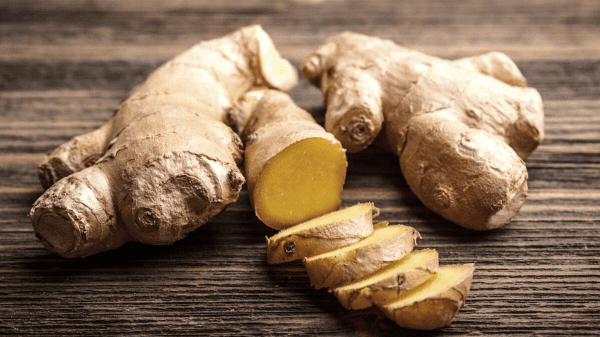
The United States is the world’s largest importer of ginger, in part due to the high prices for this commodity in the domestic market and also because of the beneficial properties against COVID-19.
Roughly 89 percent of ginger imports by the U.S. are conventional, while showing a steady growth at an average annual rate of 8.3 percent and in 2019 imported 78,505 tons, as reported by Agraria.
From January to August 2020, the U.S. imported 63,392 tons of ginger, reflecting a 17 percent increase when compared to the same time period in 2019 (54,100 tons).

China stands out as the leading supplier of ginger to the U.S. with an average share of 77 percent of all imports. However, their share has been declining from 83 percent in 2013 to 76 percent in 2019 (59,555 tons) and 69 percent between January-August 2020 (43,729 tons).
Brazil has taken over this share, with their exports to the U.S. growing at a 19 percent annual average rate. It doubled its supply to the United States in 2018, over 2017, from 3,158 tons to 6,488 tons.
In 2019, it increased its volume by 23 percent, exporting 7,957 tons, surpassing ginger suppliers such as Peru and Costa Rica, while at the same time increasing their share to 10 percent of the total imported. It increased 12 percent from January-August 2020.
Peru is the third-largest supplier of ginger to the U.S., with an average annual growth rate of 15.1 percent. Its peak was achieved in 2017 with 5,414 tons.
Since then, its exports declined the next two years, reaching the lowest level in 2019 with 2,831 tons. From January-August 2020 it surpassed 3,880 tons, exporting more to the U.S. than all of 2019, reflecting a 37 percent growth.
Organic ginger
The U.S. has begun to import organic ginger in low volumes, for now, due to its limited supply. These imports account for 11 percent of ginger imports.
From January-August that share increased to 12 percent, accounting for 8,404 tons, which is 85 percent more than the 4,500 tons imported during the same period in 2019.
While the previous main supplier of organic ginger to the U.S. was China, accounting for more than 80 percent of all imports in the previous years, from January-August 2020 their share fell to only 4.7 percent.
Peru was then the main supplier, accounting for an 86.5 percent from January-August 2020 with 7,267 tons, while in 2019 they exported 5,682 tons.
Image sources are either licensed or customer-provided.
News you need.
Join Blue Book today!
Get access to all the news and analysis you need to make the right decision --- delivered to your inbox.




Subscribe to our newsletter
© 2026 Blue Book Services. All Rights Reserved

