

















Rabobank report analyzes tariff effects on vegetable market
Rabobank released an April 1, 2025, report, U.S. vegetable trade amid tariff and trade tensions authored by David Magaña.
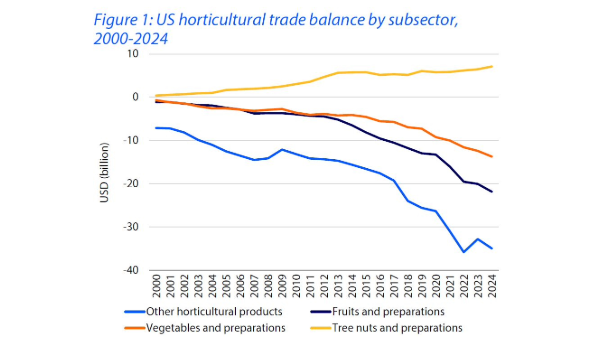
Source: USDA, Rabobank
Rabobank released an April 1, 2025, report, U.S. vegetable trade amid tariff and trade tensions authored by David Magaña, Senior Food & Agribusiness Analyst.
U.S. horticultural trade exemplifies the economic principle of specialization and trade. Leveraging its comparative advantages, the U.S. enjoys a trade surplus in tree nuts such as almonds, pistachios, and walnuts.
On the other hand, it depends on imports for fresh fruits, vegetables, and other products where its trading partners benefit from favorable climate and lower labor costs.
In this report, we review the trends in U.S. vegetable trade and assess some of the potential impacts of U.S. tariffs on the fresh vegetable market. Although these tariffs are anticipated to increase prices in the U.S and decrease trade, factors such as a stronger U.S. dollar, taxable value share, import dependence, seasonality, and substitutability may help mitigate these effects.
As the U.S. market consumes large quantities of fresh vegetables and increasingly relies on imports, the potential impact of 25% tariffs on retail prices would vary significantly across different vegetable categories and based on domestic seasonal availability.
Vine vegetables could see annual retail price increases of 5% to 19%. For fresh vegetables like leafy greens, which have stronger domestic production and lower trade dependence, price hikes would range from 0% to 7% throughout the year. Exporters to the U.S. would likely receive lower prices if tariffs were imposed.
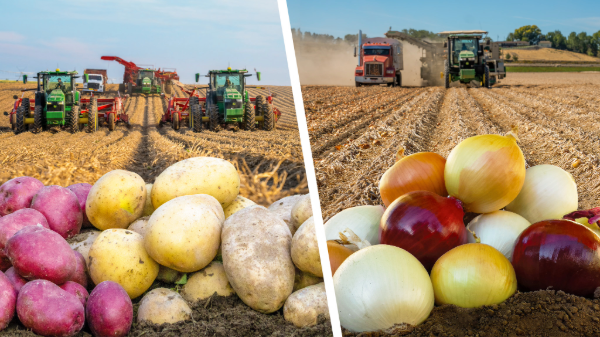
U.S. fresh potato exports have diversified over the past decade, with Mexico becoming the primary destination in 2024 after lifting sanitary restrictions in 2022. This led to a significant increase in exports. However, a trade war – with potential retaliatory tariffs – could disrupt this trend. The export share of U.S. potato production grew from 4% in 2004 to 13% in 2023.
News you need.
Join Blue Book today!
Get access to all the news and analysis you need to make the right decision --- delivered to your inbox.


Subscribe to our newsletter
© 2026 Blue Book Services. All Rights Reserved

