
















Options for home-compostable labels
It’s reasonable to predict that the plastic PLU label, with its almost supernatural ability to find and stick to kitchen countertops after it has been removed from the...
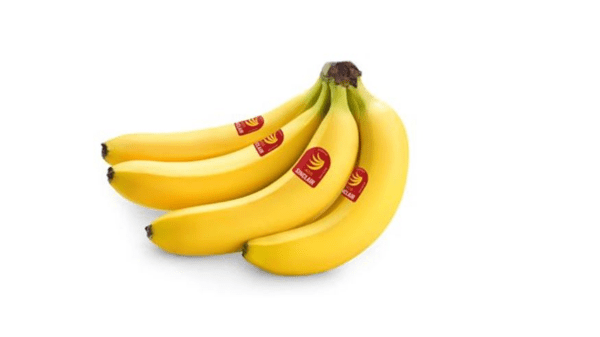
It’s reasonable to predict that the plastic PLU label, with its almost supernatural ability to find and stick to kitchen countertops after it has been removed from the fruit, will someday be a thing of the past.
The French government is doing its best to make that happen. As of January 1, 2022, a ban on non-compostable labels has gone into effect.
Sinclair, a company that produces food labels and labeling equipment, announces it has developed a label that meets French standards requiring that labels be compostable at home.
“It has not been an easy development road to meet the French legislation for January 1, 2022, but Sinclair EcoLabel HOME meets French home composting standard NF T 51-800 and complies with French law no. 2020-105 Article 80,” writes Sinclair senior marketing manager Duncan Jones.
“The label construction has independent ‘OK compost HOME’ certification from TÜV AUSTRIA, having passed the home composting testing requirements,” he adds.
The label is suitable both for hand labeling and high-speed automatic labeling, according to the company. It is also free of plastic and is partially bio-based. Sinclair says that it can degrade into usable compost within 365 days.
The first order for the labels was placed for bananas grown in Ecuador and Colombia and destined for the French market.
Another company producing compostable labels is Avery Dennison.
“The Avery Dennison biodegradable portfolio uses biodegradable and (certified) compostable adhesive S9500 in combination with a range of (certified) paper and biodegradable film facestocks,” according to a company brochure. “It is recognized as both biodegradable and compostable, and complies with EN13432, European Compostability Packaging Standards for industrial composting.”
Compostable labels are only part of the picture. It may be possible to go further with the sustainable label concept, including the elimination of any need for labels—as with the laser labeling technology pioneered by the Italian company El.En.
Personally, I’m for any alternative as long it’s not going to stick to my kitchen counter.
Image sources are either licensed or customer-provided.
News you need.
Join Blue Book today!
Get access to all the news and analysis you need to make the right decision --- delivered to your inbox.



Subscribe to our newsletter
© 2026 Blue Book Services. All Rights Reserved

