


















New Mushroom Council research identifies likely consumers, growth areas
New research from the Mushroom Council reveals consumers who already enjoy fresh mushrooms could be persuaded to buy them more often.
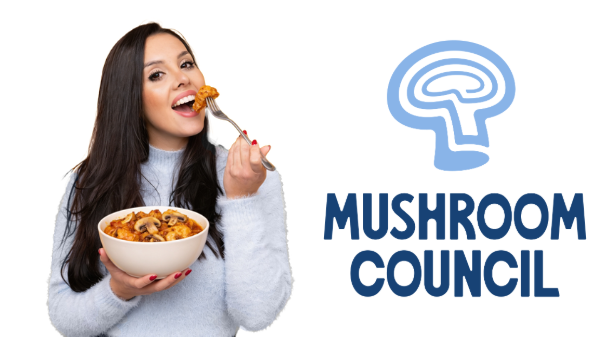
Courtesy the Mushroom Council
Lee’s Summit, MO (October 6, 2026) – New research from the Mushroom Council BB #:161860 is providing fresh insight into an important opportunity for category growth: consumers who already enjoy fresh mushrooms but could be persuaded to buy them more often.
The national study of 1,000 U.S. mushroom consumers ages 18–45 examined the attitudes, shopping behaviors and purchase triggers of Gen Z and Millennial consumers across light, medium and heavy levels of mushroom consumption.
The research found Younger Millennials (ages 27-35) with at least one child in the household and medium-frequency buyers are particularly promising: they already like mushrooms, enjoy cooking and are open to buying more, but mushrooms have not yet become a consistent part of their shopping routines.
The research is especially important for a category in which 73% of fresh mushroom volume is purchased by heavy mushroom consumers. Building the next generation of frequent buyers means identifying consumers who already have an affinity for mushrooms but still have room to increase their purchase frequency.
“We’re focusing on the most persuadable consumer and what it will take to make mushrooms a staple in their shopping cart,” said Amy Wood, President and CEO of the Mushroom Council. “The research gives us a clear understanding of the familiar meal occasions and purchase triggers that can help make that happen.”
Among the findings:
- Upgrade the meal they are already planning to make. Mushrooms are strongly associated with familiar favorites including pizza, pasta, steak and burgers, and 89% of respondents say they at least occasionally use mushrooms to upgrade quick meals such as frozen pizza, jarred pasta sauce or ramen. The findings point to an opportunity to merchandise mushrooms as an addition to meals consumers already plan rather than requiring shoppers to seek out mushroom-specific recipes.
- Cross-merchandising can create additional occasions. Roughly one-third of consumers said seeing mushrooms near complementary foods such as steak, eggs, pasta or pizza could trigger an unplanned purchase. Digital merchandising offers another opportunity to make those connections through retailer apps, e-commerce recommendations, retail media and meal-based search.
- Online retail is an increasingly important mushroom shelf. Twenty-eight percent of respondents purchased fresh mushrooms through grocery delivery or pickup during the past year, increasing to 33% among Younger Millennials and 37% among heavy mushroom consumers.
- Freshness can directly influence purchase. An especially fresh-looking mushroom display was among the top triggers consumers said could prompt a spontaneous purchase. Among consumers who reported increasing their mushroom consumption, nearly one-third cited improved quality and freshness at the store as a contributing factor.
- Encourage larger packs for multiple mushroom meals. Seventy-one percent of respondents typically purchase the same mushroom package size, but more than half said they could be encouraged to purchase a larger package when planning multiple mushroom meals. Promotions and confidence that mushrooms will stay fresh long enough to use were also important trade-up triggers.
- Specialty mushrooms need education and usage inspiration. Sixty percent said a recipe could encourage them to try an unfamiliar mushroom variety, while flavor and texture descriptions were also important. Simple information explaining how a variety tastes and how to use it can help remove barriers to trial.
Retailers interested in exploring the data or discussing promotional opportunities with the Mushroom Council can contact Cristie Mather, VP of Marketing at cristie@mushroomcouncil.org.
About the Research
The Mushroom Council surveyed 1,000 U.S. adults ages 18–45 who eat mushrooms. The study examined mushroom consumption frequency, shopping behavior, meal occasions, purchase triggers, package preferences, variety interest, value perceptions and in-store and online shopping behaviors. Respondents were analyzed by generation and mushroom consumption frequency to identify the consumers and behaviors representing the greatest opportunities for category growth.
About the Mushroom Council
The Mushroom Council is composed of fresh market producers and importers who average more than 500,000 pounds of mushrooms produced or imported annually. The mushroom program is authorized by the Mushroom Promotion, Research and Consumer Information Act of 1990 and is administered by the Mushroom Council under the supervision of the USDA Agricultural Marketing Service. Research and promotion programs help to expand, maintain and develop markets for individual agricultural commodities in the United States and abroad. These industry self-help programs are requested and funded by the industry groups that they serve. For more information, visit mushroomcouncil.com.
News you need.
Join Blue Book today!
Get access to all the news and analysis you need to make the right decision --- delivered to your inbox.


Subscribe to our newsletter
© 2026 Blue Book Services. All Rights Reserved

