


















Don’t let poor mail service hurt your cash flow
The U.S. Postal Service announced on Sept. 28 that effective Oct. 1, “new service standards for First-Class mail and Periodicals” will be implemented. Specifically, “single piece First-Class mail...
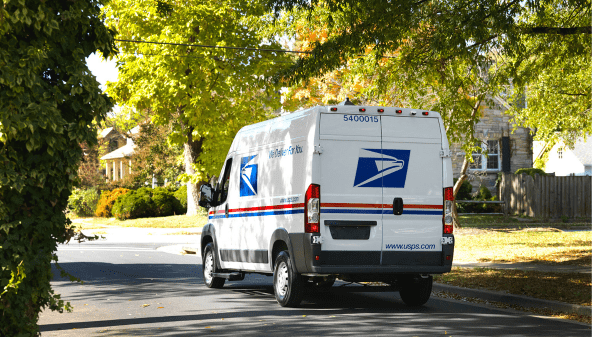
The U.S. Postal Service announced on Sept. 28 that effective Oct. 1, “new service standards for First-Class mail and Periodicals” will be implemented.
Specifically, “single piece First-Class mail travelling within a local area will continue to be two days. Mail travelling the greatest distances will be most affected, with a day or two of transit time added for some First-Class Mail and Periodicals.”
The Service Alert said the changes “will increase delivery reliability, consistency, and efficiency.”
This slow up in long distance delivery comes on the heels of an Aug. 29 price increase to mail a First-Class letter, which went from 55 cents to 58 cents, a 5.45 percent increase.

The conclusion: Consumers are paying more for less.
Aside from doubtful economics, what will be the effect on businesses, especially from the standpoint of sending payments using the U.S. Postal Service?
If your business uses the Postal Services in the U.S. and Canada, you know firsthand that the mail has slowed—it is taking longer for a letter to reach its destination.
This is not optimal, primarily because of cash flow—the ability to turn accounts receivables into cash. If receivables are collected more slowly, the more likely payables will be delayed.
What can businesses do?
Tighten up on your pay practices—become more efficient and pay more quickly (knowing that your check will take an extra couple of days to arrive).
Consider using electronic pay such as ACH or other means.
With the cost of mail rising and the time of delivery slowing, it is wise to consider how best to handle your accounts receivables, payables, and cash.
Image sources are either licensed or customer-provided.
News you need.
Join Blue Book today!
Get access to all the news and analysis you need to make the right decision --- delivered to your inbox.








Subscribe to our newsletter
© 2026 Blue Book Services. All Rights Reserved

