


















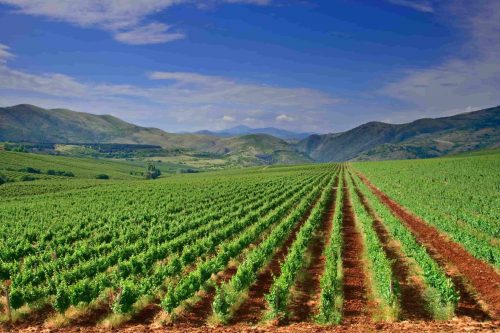
Defining a trade association’s role
Trade associations—alternatively known as industry trade groups, commercial associations, or business associations—are typically nonprofit organizations tasked with educating their members and providing tools for doing business in a...

Trade associations—alternatively known as industry trade groups, commercial associations, or business associations—are typically nonprofit organizations tasked with educating their members and providing tools for doing business in a certain industry, both at home and abroad.
They can be product-specific, like the North American Blueberry Council or the California Avocado Commission, or industry-specific, like the Fresh Produce Association of the Americas or the Produce Marketing Association.
Trade associations are on the front lines of what’s happening in the industries they represent. Not only do they serve as advocates, but these organizations also provide invaluable help in the development and promotion of business opportunities.
They host networking events and conferences, promote partnerships and collaboration, offer classes, lobby government officials and legislators, and more. The list of what trade associations do for their members is both extensive and impressive.
These days, as markets continue to expand along with consumer demand, it’s more critical than ever to join a trade association.
In Latin America, these types of groups—private, government-sponsored, or a combination of the two—are proliferating as exporters and growers throughout the region come under increasing pressure to expand their businesses.
Some are newcomers to the scene, like Brasilia-based Abrafrutas, founded in 2014, and PRO ECUADOR, which was established in 2009 and is part of that country’s Vice Ministry of Promotion of Exports and Investments.
Others, like Chilean organizations Fedefruta and ProChile, and AmCham Guatemala, have a history ranging from 35 to more than 50 years. And still others, such as Chile’s ASOEX, founded in 1935, can claim to be among the oldest and most preeminent associations in the industry.
Whether newbie or veteran, associations from Bogotá to Buenos Aires agree that their involvement and advocacy can be pivotal to the industry’s continued success.
This is a multi-part series from Produce Blueprints, in which we explore the role of trade associations in global commerce.
Image sources are either licensed or customer-provided.
News you need.
Join Blue Book today!
Get access to all the news and analysis you need to make the right decision --- delivered to your inbox.





Subscribe to our newsletter
© 2026 Blue Book Services. All Rights Reserved

