
















Tom Pierce, Sobeys Inc.
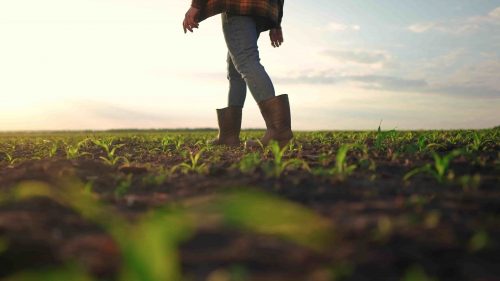
Although he didn't intend to be a produce maestro, Tom Pierce is the architect behind Sobeys' supplier network.

banjonseal324, Barudak Lier, Becris/Adobe Stock
In this article

Tom Pierce didn’t plan on a career in produce. He studied building construction in college, aiming to become an architect. But when life took an unexpected turn, he found himself leaning into the grocery business—a path that led him from the retail floor to the fields of Florida, from quality control to sourcing, and eventually to his current role as director of supplier development at Sobeys Inc. BB #:116615, headquartered in Stellarton, NS.
“You’re the grower, I’m the retailer; let’s meet in the middle and both be successful,” he says. This philosophy has guided him through more than three decades in the industry.
Tom’s humility is matched with his expertise; he has lived across the United States, from Massachusetts to California, and worked for some of the biggest names in grocery. Whether he’s walking a lettuce field in Salinas or troubleshooting a supply chain disruption during hurricane season, he brings a deep understanding of what it takes to get fresh food from seed to shelf.
Outside of work, Tom is a devoted family man, a passionate home cook, an avid hiker, and struck with a bit of wanderlust. He’s known in his household for his gourmet “Egg McTommys,” and he credits British chef Jamie Oliver as an early culinary influence and helping him gain an appreciation for fresh food. He jokes, “I love to cook, and I love to travel—work lets me enjoy both.”
Q: Where did you grow up, and how did you get into produce?
I’m originally from the South Shore of Massachusetts, just south of Boston and just north of Cape Cod. But I’ve lived all over the United States thanks to this industry. I started in high school at A&P and worked there for six years.
I went to college for building construction, hoping to become an architect. But when my father passed away, I had to pivot. I worked my way through the Northeast with different retailers, then moved into quality control, food safety, and eventually sourcing. Over the years, I have worked everywhere, from Florida to Quebec to California.
Produce is the Green Mile—it’s hard, but when supply chains are strong, the results benefit growers, retailers, and customers alike.
Q: What kept you in the produce industry?
I worked in different departments across the store, including dairy and center store but I’ve always loved the produce department because of the seasonality and the different items. I began to look at reference material, cookbooks, gardening guides, cooking shows, to teach me about the products, so I could teach my customers about where the produce comes from and how to cook it.
We would also experiment with different produce items at home. I’d bring things home I knew were fresh that day and my wife and I would them cook up—we tried everything.
That said, it’s a dynamic and essential part of the food system. Once something is harvested, the supply chain is activated, and every step matters in keeping products fresh and moving. You need speed, precision, and strong coordination.
I had a mentor who told me, “Not everyone can walk the Green Mile, but those who can, live a different lifestyle.” That stuck with me. Produce is the Green Mile—it’s hard, but when supply chains are strong, the results benefit growers, retailers, and customers alike.
Q: Where are Sobeys sourcing teams located today?
Our sourcing managers are mostly in Toronto and Montreal, with some buyers and category managers in Stellarton, Nova Scotia. My team—the supplier development leads, or SDLs—is out in the field across Canada and the United States, from east to west. We’ve got people near the border who cover Mexico as well.
We’re strategically placed to work directly with growers and serve as Sobeys’ representatives on the ground, supporting Canadian-grown supply while coordinating international partnerships to keep fresh produce available year-round.
It’s like a hockey team. Everyone has a position: field reps, sourcing managers, buyers, quality control—and we all play together.
Q: How do you make sourcing decisions?
It’s like a hockey team. Everyone has a position: field reps, sourcing managers, buyers, quality control—and we all play together. The field team might say, “Hey, this grower’s doing great work,” and that info flows back to the sourcing manager, who sees the big picture. Buyers handle the purchase orders, while quality control checks the specs and holds the blue line. It’s a full team effort.
In supplier development, we serve as a link to the growers—strengthening relationships, advocating for what our customers need, and making sure we have good strategic partners. This can be informing how products are grown, packed, shipped. When adjustments are needed, open communication helps us protect the supply chain and ensure value for both growers and customers.
Q: What do you look for when walking a field?
It depends on the crop. For lettuce or peppers, I’m looking at field organization—are there weeds? Is it clean? Are there food safety risks, like being downstream from a cattle farm?
But it’s not just about what I see. It’s about the relationship. Some growers are an open book; others are more guarded. That’s fine. We respect their expertise. The goal is to align on quality and maintain continuity, so what goes into the box is consistent with what Sobeys stores, and Canadian customers, expect.
Q: How far in advance are you walking fields?
Usually a couple of weeks before harvest. We want to help assess readiness, adjust specs if needed, and plan transitions between growing regions. For something like cherries, we might walk fields months in advance during bloom. It’s all about continuity. If we can keep the supply chain steady, that’s a win in fresh.
We’re not just trying to buy produce, we’re trying to deliver a consistent, great eating experience. That’s what builds loyalty.
Q: What do you wish more growers understood about retail sourcing?
That it’s not just about “making the door”—getting product to the warehouse. It’s about making the store, and making the fridge, and plate.
We’re not just trying to buy produce, we’re trying to deliver a consistent, great eating experience. That’s what builds loyalty. That’s what keeps people coming back. So yes, we care about specs, but we also care about the end result—what customers bring home and put on the table.
Q: What’s the hardest part of your job?
The focus is on keeping fresh, high-quality products available every day. Continuity is always the priority, and that means adapting when growing regions shift or when weather impacts supply. Our teams and growers work closely to keep products moving.
These situations show the strength of our long-term partnerships. Growers bring resilience and adaptability, and together we keep Canadian supply chains strong and dependable
Q: What trends are you excited about?
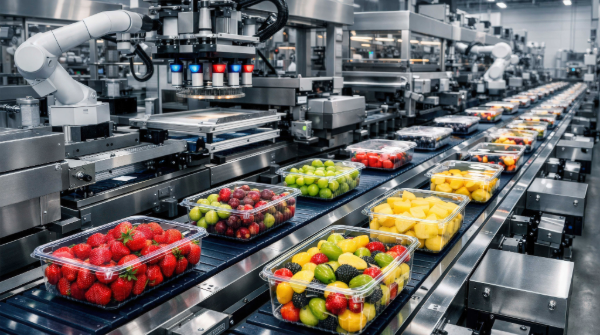
I’m really excited about what’s coming. I think we’re on the edge of significant innovation in the supply chain. Transportation tech, shelf-life improvements, better cold chain management—it’s all coming. We’re still putting produce on a truck and driving it across the continent and there’s a lot of room for improvement. Developments in technology and logistics will strengthen supply chains and deliver a fresher, more reliable experience for customers.
Q: What’s something that doesn’t exist today but will be essential in 5 to 10 years?
AI software assisting procurement to make smarter decisions. Also, CEA—controlled environment agriculture, greenhouses, vertical farms—we’re just scratching the surface. Europe’s ahead of us, but we’re catching up. I think we’ll see a big shift toward growing closer to where the stores are. Fresh locally grown produce in winter and year-round, that’s the future.
News you need.
Join Blue Book today!
Get access to all the news and analysis you need to make the right decision --- delivered to your inbox.





Subscribe to our newsletter
© 2026 Blue Book Services. All Rights Reserved

