


















The Shared Future of Produce and Pharma: Data, trust, and the cold chain
How can a look at the pharmaceutical industry strengthen the fresh produce supply chain? Read on to find out.

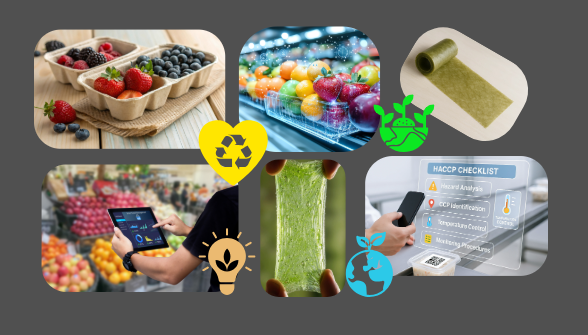
MariaY, arhendrix, LIDIIA, KL1981, Wallpaper BD/Adobe Stock
In this article

From blueberries to vaccines, avocados to insulin, we depend on products that must be kept cold, handled carefully, and delivered on time. Fresh produce and pharmaceuticals may seem to belong to different domains, yet they are increasingly connected by a shared operational backbone: the cold chain.
As both industries confront tightening margins, stricter regulations, labor shortages, and rising fraud attempts, the similarities between them are becoming even more pronounced.
The future of both sectors will be shaped not only by how physical logistics are managed, but by how we manage data clarity, chain-of-custody accountability, and real-time decision-making.
Cold Chain = Shared Infrastructure
In produce, temperature control determines freshness, flavor, and shelf life. In healthcare, it determines clinical safety and therapeutic effectiveness. If berries warm up, their shelf life shortens; if insulin warms, its stability and effectiveness may be compromised.
To prevent these outcomes, both industries rely on refrigerated transport, continuous monitoring systems that track temperature throughout transit, rapid response procedures when deviations are detected, and clear documentation of every handoff.
Different products, same operational truth: time and temperature determine value.
Let’s take a look at some examples. We’ll start with a berry distributor in California. During shipment from the warehouse to retailer, the load experienced a 90-minute refrigeration outage. The fruit appeared fine upon arrival, but its shelf life was reduced significantly, leaving the retailer with less time to sell.
Meanwhile, a Midwestern medical center was forced to discard an entire insulin batch after a delayed storage alarm resulted in prolonged exposure to unsafe temperatures.
Different products, same operational truth: time and temperature determine value.
Chain of Custody and Accountability
Whether shipping peaches or vaccines, the journey typically involves producers or manufacturers, packers or distributors, brokers or coordinators, carriers, and destination receivers such as retailers or healthcare facilities.
Each transfer introduces the potential for miscommunication or temperature variation.
Both industries are moving away from paper logs and siloed documentation toward digitally signed chain-of-custody records, shared traceability platforms, and real-time monitoring dashboards to ensure clear documentation and accountability across the entire supply chain.
Fraud: A Quiet Challenge
Fraud is rising across both sectors and elsewhere. In produce, double brokering, carrier impersonation, spoofed pickup instructions, and cargo theft have become more frequent.
Pharmaceuticals face similar risks, such as counterfeit medications entering supply chains, diverted controlled substances, and falsified temperature records.
Because high value and perishability create incentives for exploitation, both industries are adopting identity verification and behavioral risk-scoring as protective measures.
“Experienced professionals hold deep intuition shaped by years of experience in the field, while newer workers bring digital fluency and adaptability.”
The Role of Generative AI: Clarity for Decisions
Both the fresh produce and pharmaceutical industries rely on workforces that span multiple languages, generations, and levels of technical familiarity.
Generative AI is emerging as a practical support tool in these environments. A GenAI copilot can summarize temperature histories into clear, plain-language explanations and describe chain-of-custody events as they occur.
It can also identify unusual routing or communication patterns that may indicate fraud, translate handling instructions into any language, and adjust the depth of its guidance depending on the user’s role. This can help frontline workers and managers make faster, more confident decisions.
“Experienced professionals hold deep intuition shaped by years of experience in the field, while newer workers bring digital fluency and adaptability,” notes John Abkes, emeritus senior vice president at Blue Book Services.
“Generative AI bridges these strengths by making institutional knowledge reusable and complex system information understandable across skill levels,” he adds. “The result is not automation replacing expertise, but technology reinforcing human judgment.”
Cold Chain = Trust Infrastructure
Looking ahead, the businesses in the produce and pharma industries that will thrive are those that treat operational data as a strategic asset.
They make the effort to verify identity at every stage of the supply chain, use AI copilots to support workers in real time, and align processes around shared transparency and accountability. The cold chain is no longer only about keeping products cold; it’s about keeping trust warm.
News you need.
Join Blue Book today!
Get access to all the news and analysis you need to make the right decision --- delivered to your inbox.






Subscribe to our newsletter
© 2026 Blue Book Services. All Rights Reserved

