



















Industry Insights: America’s healthiest investment is hiding in plain sight
Why aren't growers, processors, and distributors recognized as essential partners in helping people live longer, healthier lives?
eliyashevskiy/Adobe Stock
In this article
Imagine an America where a produce delivery is understood as an investment in health.
An America where a child discovering a new vegetable is part of a prevention strategy.
Where a foodbank’s purchasing budget supports both healthier families and the agricultural businesses around them. Where healthcare dollars help people eat well before disease takes hold.
In that America, our industry’s contribution would be understood differently. The growers, processors, and distributors would be recognized as essential partners in helping people live longer, healthier lives.
That’s a future worth fighting for. We should be a lot louder about what it will take to get there.
Helping people consistently eat nutritious food offers a path toward improving lifespan and healthspan.
Better Together
Recently, I participated in Feeding America’s CEO retreat, Washington University Bursky School of Public Health’s FARM Food Futures Forum, and the Food as Medicine Policy & Research Summit in Washington, DC.
These conversations brought together people working in agriculture, foodbanking, school nutrition, research, and healthcare. What excited me was the possibility of connecting their ambitions.
Across these systems, fresh produce can help turn a conversation about feeding people into a strategy for improving their health. Our industry has every reason to lead.
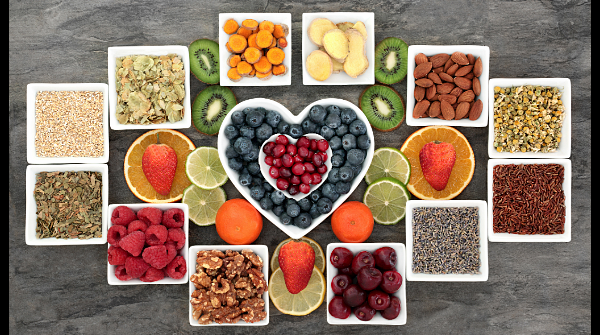
Fruits and vegetables are part of the solution to diet-related disease. Research published in Circulation links higher fruit and vegetable consumption with lower risks of cardiovascular death and premature death.
Helping people consistently eat nutritious food offers a path toward improving lifespan and healthspan—more years of life, and more years lived well.
Think about what that means for the work we do. A grower’s next crop, a processor’s next production run, a distributor’s next route: each could contribute to a much larger investment in the country’s future. And that investment should start with children.
School meals and the Fresh Fruit and Vegetable Program give us a foundation to make an early impact. A systematic review in Public Health Nutrition found that education combined with tasting activities can increase children’s willingness to try unfamiliar foods.
At DNO Produce BB #:134515, our work with Pilot Light on SnackTime Explorers is built around that opportunity. Food as medicine should not begin with a diagnosis.
A child who learns to enjoy fruits and vegetables deserves a place in that strategy before becoming an adult who needs treatment. That’s the promise. Now consider the position of the industry being asked to help fulfill it.
We cannot build tomorrow’s health strategy by exhausting today’s produce industry.
Reality Check
At DNO, I can leave a conversation about the future of health and return to decisions about freight costs, labor, and whether a delivery generates enough margin to justify the work.
Growers face input costs and crop risk. Processors have equipment, packaging, refrigeration, and payroll to cover. Distributors have to keep perishable food moving whether a truck is full or not.
Diesel touches multiple steps. Labor pressure runs throughout the chain. Insurance, maintenance, and equipment costs compete for the same dollars businesses need to reinvest.
The country can see enormous value in what produce might accomplish while overlooking what it costs to make that possible. That disconnect should concern everyone advocating for better nutrition.
When costs outpace what businesses can recover, investment gets postponed, capacity gets reduced, and markets become harder to serve.
If businesses leave, the relationships, experience, and infrastructure they built leave with them. We cannot build tomorrow’s health strategy by exhausting today’s produce industry.
The failure to give prevention the priority it deserves is shameful.
Elevating Prevention
Our national conversation too often treats the cost of nutritious food as something to squeeze while accepting the expense of treating diet-related disease later. That’s backwards. The failure to give prevention the priority it deserves is shameful.
A modeling study published by PLOS Medicine examining fruit and vegetable incentives through Medicare and Medicaid points to the potential for fewer cardiovascular events and lower medical spending.
Programs require investment and evaluation, but there’s a serious opportunity to reduce avoidable illness and treatment costs taxpayers help cover. Our industry should be unapologetic about asking for the conditions that allow us to deliver those benefits.
Ask for nutrition budgets that reflect the cost of serving nutritious food. Ask for healthcare investments in produce before and after diagnosis.
Ask for dependable purchasing commitments and procurement that recognizes quality, service, and education. Insist that the businesses carrying the risk have a voice in how the work is funded.
Expecting a viable return on our work should require no apology.
We bear the crop risk, the perishability, the payroll, and the responsibility to deliver. We invest before the food is eaten and before any health benefit can be measured. Expecting a viable return on our work should require no apology.
As an industry, we need to carry this message beyond our own meetings. Our associations and operators should make the case together with the conviction our contribution warrants.
Be Unapologetic
The future I imagine is one in which preventing disease creates dependable demand for produce, which strengthens agricultural businesses and those businesses make healthier communities possible.
Our industry has spent generations feeding this country. Now we have an opportunity to help change its health. Let’s be unapologetic about demanding the investment—and the viable economics—to make that future possible.
News you need.
Join Blue Book today!
Get access to all the news and analysis you need to make the right decision --- delivered to your inbox.






Subscribe to our newsletter
© 2026 Blue Book Services. All Rights Reserved

