


















Biodegradable PLU labels and alternatives
In case you need to refresh your memory (as I did), PLU, as in PLU labels, stands for price look up. PLU labels are a standard in the...
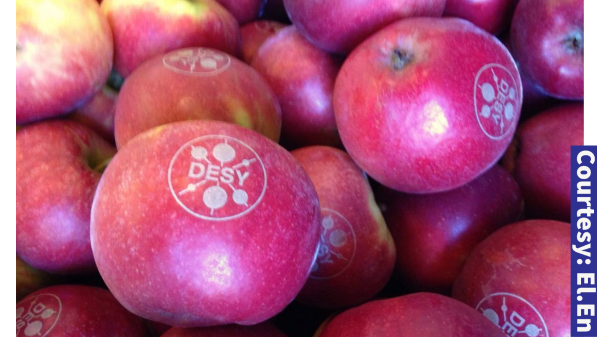
In case you need to refresh your memory (as I did), PLU, as in PLU labels, stands for price look up. PLU labels are a standard in the produce industry, so the supermarket clerk can scan the apples instead of having to examine them to see if they are Envy or Cosmic Crisp or take the word of the customer (who may not even remember).

Nations of the European Union, led by France, are starting to mandate that PLU labels on fruits and vegetables must be “home compostable.” Those little plastic labels that we use in this country (apart from having the annoying quality of sticking to your kitchen counter once you take them off) are not compostable.
If the other nations of the EU follow suit with France, it will be extremely troublesome to export fruit and vegetables to those nations.
The EU has launched a comprehensive program to reduce the use of plastics in packaging.
The International Fresh Produce Association BB #:378962 submitted public comments this week on the Regulation of the European Parliament and of the Council on packaging and packaging waste, which urged regulators to exempt functional produce stickers that are less than a square inch in size from this pending regulation.
USDA’s Agricultural Research Service (ARS) is working on a project to develop compostable PLU labels.
The project “plans to develop home compostable adhesives that allow strong adherence of the stickers to produce. The adhesive will be food-grade and supply firm adherence to fruits and vegetables during transport, display, and handling at checkout. The produce PLU stickers can then go directly into a compost bin saving time and energy for the consumer who will not need to remove the sticker prior to peeling the product. This practice will also reduce the burden on landfills.”
Such a project is all well and good, but I think it’s going in the wrong direction. To me, another alternative seems much more promising: laser labeling of produce so that you don’t need a sticker of any kind.
An Italian company named El.En has developed such technology.
It occurs to me that ARS might focus its research in this direction instead of coming up with paper labels.
Because frankly, ladies and gentlemen, I really hate having to peel those little things off.
Image sources are either licensed or customer-provided.
News you need.
Join Blue Book today!
Get access to all the news and analysis you need to make the right decision --- delivered to your inbox.








Subscribe to our newsletter
© 2026 Blue Book Services. All Rights Reserved

