


















Dock to Dock: Trucks tested by berry loads in summer heat
When temperatures climb, shipping perishables pushes reefers to the limit to maintain the cool.

lililia/Adobe Stock
In this article
The Problem
Maintaining temperature control despite very warm weather.
The Key Point
Some temperature variance is expected but there are limits.
The Solution
Use equipment capable of maintaining the required range.
Q: We’re a truck broker that primarily moves refrigerated loads. On a recent shipment, the driver appears to have followed instructions even though the portable recorder and reefer download show readings warmer than instructed.
It was very hot outside, and we think the driver did all he could do. How can the carrier be responsible?
A: At the outset we think it’s important to remember that when a claimant shows good pulp temperatures at origin (e.g., with a clean bill of lading stating the product was pulping at 34°F) and warm pulp temperatures at destination, the burden of proof shifts to the carrier to show both “freedom from negligence” and a recognized defense, such as shipper error.
Carriers can often show freedom from negligence with good, clean temperature records demonstrating that appropriate air temperatures were maintained in the trailer during the trip.
Here, the bill of lading instructed the carrier to maintain air temperatures at 34°F. The readings from the portable recorder, however, were 39°F or higher for approximately 20 hours.
And while some temperature fluctuation is inevitable, especially during hot weather, temperature control still needs to remain within a reasonable range.
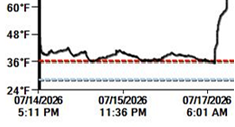
As a general guideline (explained in detail in our Transportation Guidelines) when assessing this type of claim, we look for portable readings to be within 4 to 5 degrees of the instructed temperature.
This variance generally corresponds to precedent decisions issued by the USDA assessing “normal transportation conditions” under the Perishable Agricultural Commodities Act applicable between buyers and sellers of wholesale quantities of perishable commodities.
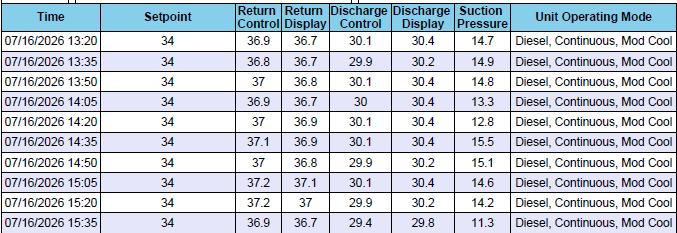
For reefer downloads, we look for return-air temperature to generally remain within about 1-degree of the set point, with discharge or supply-air temperatures remaining within 4 to 5°F of the return-air temperature.
When these ranges are exceeded (outside of loading/unloading intervals and normal defrost cycles) it may suggest the reefer unit was working overtime to compensate for excess heat in the trailer.
And when these ranges are exceeded, as they were here, it becomes increasingly difficult for the carrier to rely on these temperature records to meet its burden of proving freedom from negligence.
Reefer equipment (i.e., the unit, trailer, and air delivery chute) is expected to protect the load under the conditions reasonably encountered in transit.
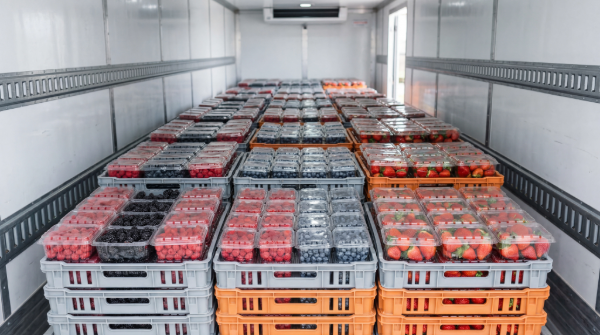
For highly temperature-sensitive commodities such as strawberries, carriers and brokers can reduce risk by putting their best available refrigerated equipment on these loads and by confirming the unit and trailer are capable of maintaining the required temperatures before departure.
News you need.
Join Blue Book today!
Get access to all the news and analysis you need to make the right decision --- delivered to your inbox.






Subscribe to our newsletter
© 2026 Blue Book Services. All Rights Reserved

