

















Peru’s 2025 asparagus exports rise by volume but remain steady on value
Peru's asparagus exports are distinguished by its ability to produce 12 months a year, which constitutes a decisive strategic advantage.
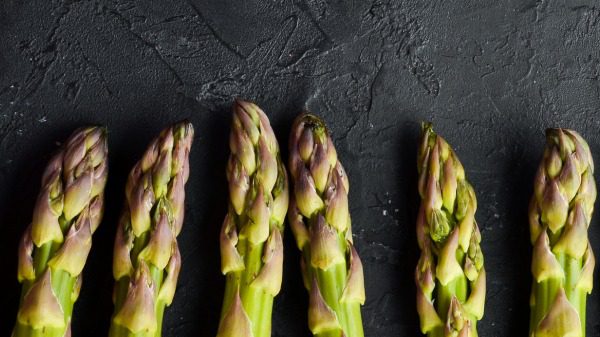
Peru’s asparagus export model is distinguished by its unique ability to produce and harvest 12 months a year, which constitutes a decisive strategic advantage, according to Agraria.

While European countries such as Spain, Italy, and Greece have campaigns limited to March through May, Peru can supply international markets when local supply decreases, taking advantage of so-called “trade windows.”
This counter-season strategy has been key to consolidating its presence in Europe and other destinations, although it requires a high level of commercial intelligence and solid institutional support to identify and capitalize on these opportunities early and effectively.
Currently, Peru has established itself as the world’s second-largest asparagus exporter, with a presence in more than 80 countries and a notable yield per hectare.
During the 2025 campaign, the results from January to August reflected a complex landscape. Shipments reached approximately 72,962 tons, with a value close to $256 million, representing a 20 percent increase in volume but only a 1 percent increase in value.
This disparity is due to an average price drop of approximately 16 percent over the period, reaching $3.50 per kilogram.
The increase in volume was due to favorable weather conditions that boosted productivity. Despite the lower prices, the sector found some relief in the reduced European season, particularly in Spain, where persistent rains reduced local production, allowing Peru to maintain its shipments and fulfill unmet demand.
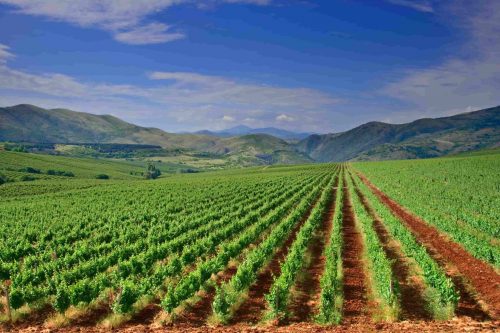
Currently, asparagus cultivation in Peru comprises approximately 28,000 hectares, concentrated mainly in La Libertad, which represents approximately 50 percent of the total; followed by Lambayeque, with 21 percent; and Ica, with 20 percent.
Although there’s a general trend in Peru toward reducing cultivated areas due to falling prices and the search for more profitable crops in a context of climate change, some companies remain committed to growth, planning to incorporate between 100 and 150 additional hectares in 2025. With this addition, it’s expected that production volume for the year could exceed what was achieved in 2024 by more than 25 percent.
The sector, however, faces significant challenges including pressure on prices, resulting from oversupply in markets where local producers enjoy logistical advantages. The increased competition reduces profit margins and high logistics costs, particularly maritime transport, can increase costs by up to $2 per kilogram exported during certain months.
Competition from Mexico in North America and Spain in Europe continues to be a determining factor limiting the expansion capacity of Peruvian asparagus.

News you need.
Join Blue Book today!
Get access to all the news and analysis you need to make the right decision --- delivered to your inbox.





Subscribe to our newsletter
© 2026 Blue Book Services. All Rights Reserved

