



















What can we learn from a romaine outbreak we knew nothing about?
The latest E. coli outbreak associated with romaine lettuce is over, and now the produce industry has to learn something from it to get better. But that will...
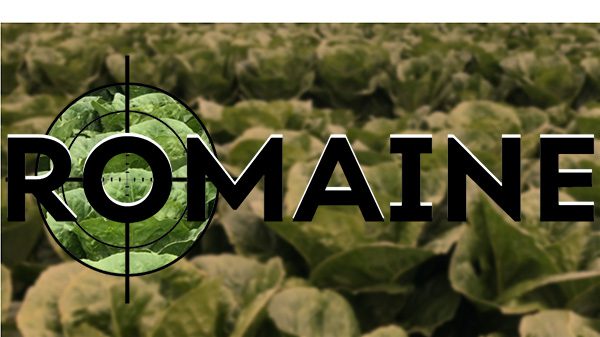
The latest E. coli outbreak associated with romaine lettuce is over, and now the produce industry has to learn something from it to get better.
But that will be much tougher than with other recent outbreaks.
“I’m not sure what we can learn from this incident,” said Trevor Suslow, vice president of produce safety for the Produce Marketing Association BB #:153708, November 6. “There’s an absence of information. This had very different characteristics from the Thanksgiving outbreak last year.”
In the most recent outbreak, 23 people were reported ill, but the illnesses started on dates ranging from July 12 to September 8.
“It had a smaller subset but longer period of time,” Suslow said. “It’s hard to make a case that it’s romaine from a single lot.”
The Thanksgiving outbreak last year resulted in the Centers for Disease Control and Prevention advising U.S. consumers to not eat romaine lettuce, and retailers and restaurants to not serve or sell it.
CDC and the Food and Drug Administration gave no such warning this time and declined to name any farms or companies involved in the outbreak.
Suslow said investigators isolated the product and traced it back to suppliers and farms but didn’t find any contamination.
“We’ve interviewed the companies who were contacted and reviews practices and ensured best practices are in place,” he said.
Some consumer groups have criticized FDA and CDC for not publicizing the outbreak sooner than last week and naming the companies involved, but Suslow said that wouldn’t have helped.
“They have to allow consumers and the trade to take sensible actions,” he said, and there weren’t any to take.
Suslow said the produce industry is willing to work with investigators on any outbreak.
“One of our messages is that once the evidence suggests they reach out to a retailer or foodservice operator, that’s when we’d like them to bring us in,” he said.
He suggests stakeholders from within the industry who can have confidential conversations are the most appropriate.
“People who know who’s shipping to who, and when and where,” Suslow said.
“What’s clear is that challenges remain.”
Image sources are either licensed or customer-provided.
News you need.
Join Blue Book today!
Get access to all the news and analysis you need to make the right decision --- delivered to your inbox.


Subscribe to our newsletter
© 2026 Blue Book Services. All Rights Reserved

