

















Latin America challenges Mexico’s export prowess
While the numbers may sound daunting, Mexico’s success and proximity to one of the world’s biggest consumer markets is not stopping exporters and growers in Central and South...
While the numbers may sound daunting, Mexico’s success and proximity to one of the world’s biggest consumer markets is not stopping exporters and growers in Central and South America from establishing or expanding their own foothold in the United States and Canada.

Traditionally, Chile has been the biggest player in South America, exporting everything from grapes and peaches to blueberries, cherries, and plums. But as U.S. demand has mushroomed, other countries have muscled their way onto the scene. Central America, in particular, has become a critical production area for “contra-seasonal” fruits and vegetables.
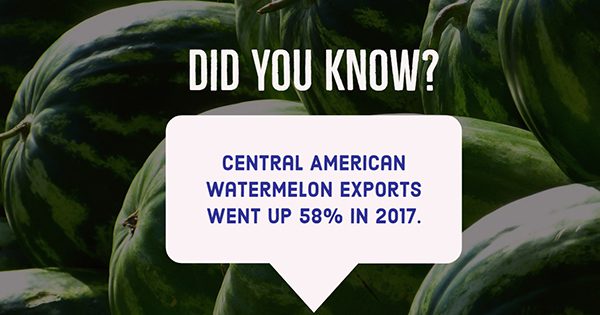
Central America is now the primary growing region for melons in the winter for both the United States and Canada, along with an expanding roster of Asian vegetables and beans, like green beans, sugar snap peas, and snow peas grown from January through May. Last year, countries in the region exported $68 million in watermelons, up 58 percent year over year.
But imports that were once meant to just bridge the wintertime blues in the north have now become dependable, year-round commodities. Take plantains, for example — from January through June they’re grown on the Pacific coast of Guatemala and from July through December, they’re grown on the country’s Atlantic coast.
And while the peak season for Peruvian asparagus lasts from September through January, the highly sought-after spears are now grown for export throughout the year, regardless of season.
“Originally, imports meant filling seasonal gaps when domestic supplies were not available,” confirms Robert Colescott, founder and CEO of Pompano Beach, FL-based Southern Specialties Inc., which has offices and growing operations in Peru and Guatemala as well as Mexico.
“But the competitive landscape, domestic land and labor costs, immigration laws, etc., have widened the gap and many importers are now year-round shippers,” Colescott says.
This is an excerpt from the most recent Produce Blueprints quarterly journal. Click here to read the full article.
Image sources are either licensed or customer-provided.

News you need.
Join Blue Book today!
Get access to all the news and analysis you need to make the right decision --- delivered to your inbox.





Subscribe to our newsletter
© 2026 Blue Book Services. All Rights Reserved

