
















Grocery groups support House passage of Combating Organized Retail Crime Act
The bill would strengthen enforcement tools to battle large-scale theft, fraud, and cargo theft targeting retail stores and supply chains.
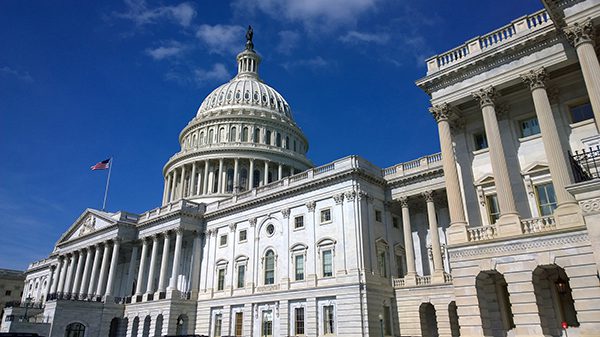
The U.S. House of Representatives passed the Combating Organized Retail Crime Act (H.R. 2853) May 12, 2026, in a 348 to 60 vote with broad bipartisan support.
The bill would strengthen enforcement tools to battle large-scale theft, fraud, and cargo theft targeting retail stores and supply chains.
The National Grocers Association BB #:163424 and FMI – The Food Industry Association BB #:162464 issued statements of support May 13, 2026.
NGA Applauds House Passage of Combating Organized Retail Crime Act (H.R. 2853)
Washington, D.C. – The National Grocers Association (NGA) applauds the passage of the Combating Organized Retail Crime Act (H.R. 2853), important bipartisan legislation to help address the growing threat of organized retail theft impacting independent grocers and communities across the country.
“Organized retail crime is not a victimless crime. It threatens employees, raises costs for consumers, disrupts local businesses, and puts additional pressure on independent grocers who navigate success on razor-thin margins,” said Stephanie Johnson, NGA senior vice president and head of government affairs.
“Main Street grocers are essential community businesses, and this legislation provides stronger tools and coordination to help law enforcement crack down on sophisticated theft operations targeting retailers and supply chains.”
The legislation strengthens coordination between federal, state, and local law enforcement and establishes a new organized retail and supply chain crime coordination center to more effectively combat organized theft rings.
“NGA appreciates lawmakers for recognizing the serious impact organized retail crime is having on independent grocers, their employees, and the communities they serve,” said Max Wengroff, senior manager of government affairs, NGA.
NGA sent a letter to the U.S. House in support of the bill.
“In an industry where average profit margins are often around 1.5%, independent grocers face challenges in absorbing the rapidly rising costs associated with organized theft, store security, and loss prevention. Beyond the financial losses, organized retail crime creates serious safety concerns for workers and shoppers and places additional strain on Main Street businesses working every day to serve their communities,” the letter reads.
Click here to view the full letter.
FMI Applauds House Passage of Organize Retail Crime Bill
Arlington, VA – Following passage of the Combating Organized Retail Crime Act (CORCA) in the U.S. House of Representatives last night, FMI – The Food Industry Association offers the following statement.
FMI Chief Public Policy Officer Jennifer Hatcher stated, “FMI applauds the House of Representatives for passage of the bipartisan Combating Organized Retail Crime Act, which takes important action to designate organized retail and supply chain crime, including cargo theft, as a federal crime. This legislation will help ensure the safety of customers and associates and reduce the impact of theft on grocery prices. We call on the Senate to follow suit and pass CORCA in short order to send to President Trump’s desk.”
Hatcher continued, “This congressional action is welcome news at FMI’s annual Asset Protection & Grocery Resilience Conference being held this week. FMI’s Asset Protection Council and Violence Preparedness Committee work with industry partners, law enforcement, community leaders and other stakeholders to prevent, mitigate and address crimes and threats in order to enhance safety. Enactment of CORCA would provide much needed federal support to these efforts.”
CORCA also establishes the Organized Retail and Supply Chain Crime Coordination Center within the U.S. Department of Homeland Security, strengthens federal money laundering statutes, and increases investigations and prosecutions of organized retail and supply chain domestic and transnational crimes.
News you need.
Join Blue Book today!
Get access to all the news and analysis you need to make the right decision --- delivered to your inbox.



Subscribe to our newsletter
© 2026 Blue Book Services. All Rights Reserved

