


















Ecommerce Update: Fresh sales
Early in the pandemic, ecommerce sales focused on canned and packaged foods along with long-lasting pantry vegetables like onions and potatoes. Since then, consumers have become more comfortable...
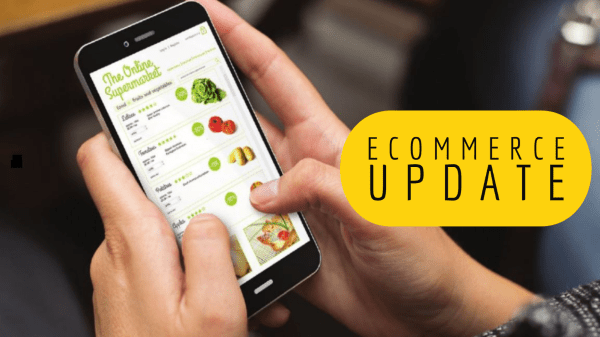
Early in the pandemic, ecommerce sales focused on canned and packaged foods along with long-lasting pantry vegetables like onions and potatoes. Since then, consumers have become more comfortable purchasing fresh produce items online.
While online dollar sales of produce have increased, certain produce items perform better online, like iceberg lettuce, salad kits, and broccoli. Others, like avocados and watermelon, do not perform as well online compared to in-store.
Last year Category Partners, LLC, an Idaho Falls, ID-based research firm, found that of the 42 percent of consumers who buy groceries online, 58 percent purchased fruits and 48 percent purchased vegetables.
This compares with weekly in-store purchases at 88 percent for fruits and 84 percent for vegetables. Part of the difference may be the lack of the visual and sensory experience that is part of the in-store experience.
“I don’t think you will ever get away from the brick-and-mortar store,” observes Category Partners CEO Tom Barnes. “People like shopping. We like the treasure hunt. We like to see what we don’t know. When you’re in a store, you see it, smell it, and think, ‘it looks good.’ Impulse purchases don’t happen online like in-store.”
While shoppers now appear more comfortable purchasing fresh produce online, Barnes noted that one of the things hampering ecommerce grocery sales among in-store-only shoppers is the quality of produce received.
“Many people don’t like somebody else picking their produce,” he says, especially if they’ve had a poor experience such as receiving damaged fruit or items that don’t meet their expectations.
Other online shopping complaints center around out-of-stock items and substitutions, incorrect orders, or delays in delivery. Shoppers also cite higher prices for some online products versus in-store and the extra costs associated with delivery.
“The experience has to get better for more people to move to ecommerce, and to shop for produce especially,” Barnes says.
This is an excerpt from the Applied Technology department in the November/December 2022 issue of Produce Blueprints Magazine. Click here to read the whole issue.
Image sources are either licensed or customer-provided.
News you need.
Join Blue Book today!
Get access to all the news and analysis you need to make the right decision --- delivered to your inbox.




Subscribe to our newsletter
© 2026 Blue Book Services. All Rights Reserved

