


















Demystifying Goodwill: Goodwill vs. Intangible Assets
Many tort claims involve goodwill: the plaintiff claims that the defendant’s actions have injured the company’s goodwill. The terms goodwill and intangible assets are sometimes used interchangeably, but...
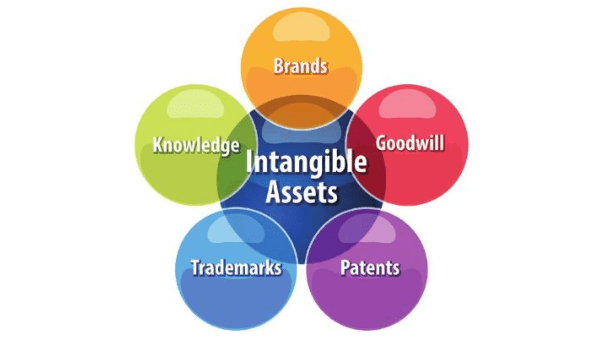
Many tort claims involve goodwill: the plaintiff claims that the defendant’s actions have injured the company’s goodwill.
The terms goodwill and intangible assets are sometimes used interchangeably, but there is a difference between them in the accounting world. Goodwill is intrinsic to a business: it cannot be sold independently of the company as a whole.
Intangible assets, however, can be sold. One example is the famous secret recipe for Coca-Cola, which is kept hidden in a vault in the company’s Atlanta headquarters.
There are any number of colas out there, but many consumers specifically like the taste of Coke and will seek it out instead of rival products. The recipe itself could conceivably be sold, but customers’ affection for Coke cannot be sold.
Goodwill and intangible assets can be hard to distinguish, as the Coca-Cola Company discovered when it attempted to introduce a new formulation, called New Coke, in 1985. Many consumers didn’t like it; they liked the taste of the old Coke.
The backlash forced the company to reintroduce the original formula as Coca-Coca Classic within three months. In 1992, the new formulation was demoted and renamed Coke II, and in 2002 the company stopped making it altogether.
If someone were to buy the Coca-Cola Company, that recipe is very much a part of its value, and hence of the price a purchaser would have to pay. The recipe is technically an intangible asset, because it can be sold.
But consumers’ affection for the taste cannot be sold—it is part of the company’s goodwill, and as the Coca-Cola Company harshly learned, it was even more important than the brand.
This is a multi-part feature adapted from a story in the July/August 2020 issue of Produce Blueprints.
Image sources are either licensed or customer-provided.
News you need.
Join Blue Book today!
Get access to all the news and analysis you need to make the right decision --- delivered to your inbox.





Subscribe to our newsletter
© 2026 Blue Book Services. All Rights Reserved

