


















Credit Risks: Identifying good risks
Credit and debt are the bedrock of the economy, and it’s simply not feasible for any business to operate without them. Making smart decisions about credit risk doesn’t...
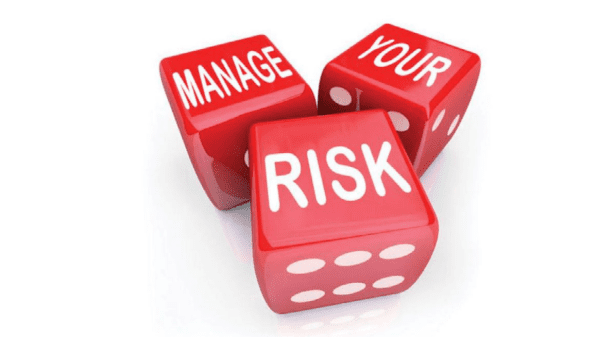
Credit and debt are the bedrock of the economy, and it’s simply not feasible for any business to operate without them.
Making smart decisions about credit risk doesn’t mean avoiding it altogether; properly assessing risk can actually provide a number of benefits.
Banks and other lenders look at credit utilization—the way debt is used, not just the overall amount—to calculate risk and determine future lending. While too much credit utilization is bad, none at all is a warning sign as well.
Generally speaking, using more than 30 percent of available credit signals problems with debt-to-income ratios, but zero percent utilization can suggest defunct or inactive accounts.
Determining creditworthiness
When determining the creditworthiness of a partner, customer, or vendor, consider using the “Five Cs” used by most lenders:
- capital (the degree of investment, earnings, and assets controlled by the customer),
- capacity (the customer’s debt-to-income ratio),
- conditions (the specific terms of financial obligations),
- collateral (what is pledged as security against accounts), and
- character (includes history, reputation, and relationships).
It’s the last of these that can so often cause problems for a business owner. If a vendor is regarded as having good character, with a reliable history of on-time payments and a reputation for fair trading practices, it can be difficult to see past previous experiences to make a reasonable determination about future risk.
When a longtime personal relationship is part of the mix, it becomes even more complicated when something has gone awry.
Still, making the right call can be invaluable. Reliable, well performing customer relationships are a boon to cash flow and are reflected in the bottom line—which makes a business more attractive to other partners and lenders, providing access to more financial opportunities and the ability to be flexible when needed.
Good, solid relationships with customers will not only provide both tangible and intangible benefits on a regular basis, but also make dealing with any difficult situations that may arise much easier.
This is an excerpt from a Credit and Finance feature in the November/December issue of Produce Blueprints Magazine. Click here to read the full feature.
Image sources are either licensed or customer-provided.
News you need.
Join Blue Book today!
Get access to all the news and analysis you need to make the right decision --- delivered to your inbox.





Subscribe to our newsletter
© 2026 Blue Book Services. All Rights Reserved

