

















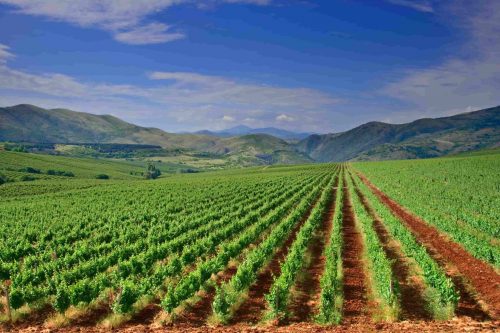
Conventional and local rule the Boston markets
What some may find surprising is a dearth of organics handled by Boston wholesalers. Peter John Condakes, president of Peter Condakes Company, Inc., a tenant at both the...
What some may find surprising is a dearth of organics handled by Boston wholesalers.
Peter John Condakes, president of Peter Condakes Company, Inc., a tenant at both the New England Produce Center (NEPC) and the Boston Market Terminal (BMT), says he doesn’t see much of an impact for organic produce at the markets, attributing the low volume to other venues.
He says he believes most organic fruits and vegetables are not funneled through terminal markets in Boston and instead are more likely to be sold direct from growers to retail outlets or other venues.

The sibling Beantown markets do, however, take advantage of one significant annual rite—the pursuit of all things local. Vendors pride themselves on having plenty of locally grown herbs, fruits, and vegetables whenever available, particularly in the June through October window, allowing their retail and foodservice customers to cater to the area’s locavores.
Steven Piazza, president of Community-Suffolk Inc. at the BMT, observes that local extends quite a bit beyond the state of Massachusetts and encompasses neighboring states as well as provinces in Canada.
Community-Suffolk does a fair amount of business to the southwest with New Jersey and up to the north with Quebec. Both make for overnight deliveries, which Piazza feels qualifies them as “local” suppliers.
This is an excerpt from the most recent Produce Blueprints quarterly journal. Click here to read the full article.
Image sources are either licensed or customer-provided.
News you need.
Join Blue Book today!
Get access to all the news and analysis you need to make the right decision --- delivered to your inbox.




Subscribe to our newsletter
© 2026 Blue Book Services. All Rights Reserved

