


















Spotlight on Tomatoes: Red-hot and moving fast
Their standing as a must-have hasn't changed, but why are suppliers struggling more this year than last to keep the pipeline flowing?
kaliantye/Adobe Stock
In this article

Even in the face of tariffs, unpredictable weather, and labor shortages, tomatoes remain one of the strongest crops in the produce industry.
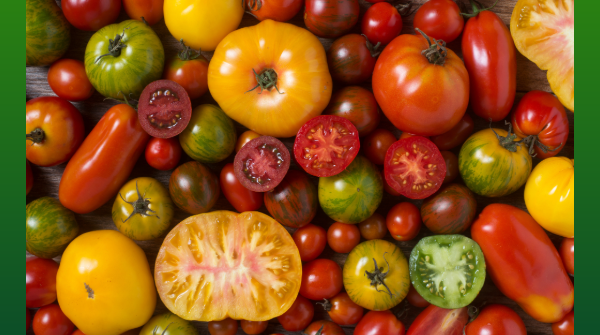
Tomatoes are still the king of all fruits, er, vegetables, or both if you will. Yes, botanically tomatoes are a fruit, but they’ve been treated like a vegetable since a Supreme Court ruling in 1893. So however you classify them, they’re enduringly versatile and popular.
When it comes to U.S. production, volume is trending upward in both volume and price. They remain the second most-consumed fresh produce item in the country, with over 20 pounds per capita eaten per year for fresh and over 70 pounds per capita when processed according to USDA data.
But while the fruit is still red-hot, growers, shippers, and buyers in the United States, Mexico, and Canada have faced increasing difficulties due to chaotic weather patterns, labor and transportation issues, and the termination of the Tomato Suspension Agreement.
We spoke to suppliers in the industry to discuss this year’s highs and lows in a time that’s both frustrating and rewarding.

Production Ups and Downs
While America dedicates a sizeable chunk of acreage to tomato production (both field and greenhouse), meeting the high level of demand requires imports from Canada and Mexico.
“We’ve had our farm down in Mexico for about 22 years,” says Roger Riehm, owner of Blue Creek Produce, LLC BB #:171605 in Sarasota, FL, “and we ship to over 30 states and Canada from our greenhouse facility. But as I tell our customers, greenhouses experience weather just like everywhere else.”
He cites unexpected rainfall, extreme heat, and an El Niño season that’s predicted to be particularly severe as major factors in this year’s crops.
Jon Esformes, chief executive officer and operating partner at Sunripe Certified, LLP BB #:355992 in Wimauma, FL, agrees that weather has been the major concern for growers in the past year.
“Our summer crops were challenged with extremely wet conditions that persisted throughout the summer and continued into the fall,” he explains. “By way of example, during our first 70 days of harvest, we had 50 days of rain, with accumulated totals of more than double compared to normal seasons.”
Greenhouse-grown tomatoes alleviate some of these issues, but pose their own issues, especially with a confusing outlook around Mexican and Canadian tariffs.
Keith Connell Jr., business developer and buyer for Kansas City, MO-based Keith Connell Inc. BB #:105626, says he advises clients on product depending on their needs.
“We get a pretty regular mix of both greenhouse and field-grown tomatoes coming out of Texas,” he notes. “What I recommend depends on what the client needs; field tomatoes have a particular flavor profile, while greenhouse ones can hold up longer and have a better shelf life.”
Challenges Inside and Out
Labor issues, not surprisingly, are a factor, with companies losing personnel to rising prices, tariffs, and targeted workforces. Then there are the other producer woes such as input costs, maintaining volume and increasing efficiency, as well as food safety concerns.
“There are fewer people to pick in the fields, trucking companies are losing people, and dealing with the high cost of supply in labor and materials—higher fuel prices, the cost of potassium skyrocketing, and so on—is an everyday battle,” observes Riehm.
Esformes agrees. “High fuel costs and an increasingly difficult labor environment are just a few examples of the extreme challenges facing farmers.”
Workarounds include experimenting with new or improved technologies. Greenhouses can reduce the impacts of weather and better control pests and diseases, but have their own limitations, including high investment costs and upgrades.
Another aspect involves what Esformes sees as the disruptive effects of artificial intelligence. “These are heady times for all industries, and agriculture is no exception,” he says.
“We’re deep in trying to understand and implement AI technology into our operations in ways that are meaningful; the caveat is not to fall into the trap of technology for technology’s sake.”
For Connell, food safety is also top of mind and he hopes technology will simplify an overly complex system.
“We’re doing higher levels of traceability with a couple of our customers,” he says, and is looking to AI for help in managing processes and reporting. “Whoever figures out a way to do tracing for FSMA without having to integrate data from twenty different sites is going to make a lot of money.”
Trends and Predictions
Most agree demand for tomatoes is still rising, though the ratio of fresh to processing has remained largely the same. In the fresh realm, consumers are showing a preference for new varieties and trending to smaller fruit.
“Over the years, we’ve seen more growth in demand for snacking tomatoes,” comments Riehm. “You’re seeing them pushed in stores and getting increased space there.
“Cherry and grape tomatoes are turning up in lunch programs at school districts as they move towards healthier offerings, and you see them in kids’ meals more too.”
He also notes that while there’s been a big push for more space for organics, they’re not as big a trend as they were a decade ago.
Esformes says value is at the forefront of consumer trends this year, with costs rising and worries about an economic downturn driving purchasing decisions.
“Consumers, both in retail and foodservice, are dealing with the impact of natural and self-inflicted inflation. I look for significant realignments to take place in the coming year.
“The whole country is experiencing inflation exhaustion,” he adds. “While ‘new’ is fun, most consumers need value, and that’s our bread and butter.”




News you need.
Join Blue Book today!
Get access to all the news and analysis you need to make the right decision --- delivered to your inbox.







Subscribe to our newsletter
© 2026 Blue Book Services. All Rights Reserved

